Blog2 November 2026
Food Experiences in Bologna Beyond the Restaurant
The best food experiences in Bologna beyond restaurants: morning markets, pasta with a sfoglina, a Parmigiano Reggiano dairy, gelato school and aperitivo.
Most people come to Bologna to eat, and most of them spend all their eating time at a table. That is a fine way to do it. But the best food experience in Bologna often happens away from the restaurant: at a market stall at nine in the morning, at a wooden board with a sheet of pasta, in a dairy where the milk is still warm, or standing at a wine bar counter at seven in the evening.
This guide is about those experiences. The ones that show you how the food here is made, bought and shared, and that tend to stay with people long after the last plate of tagliatelle. We have only included things you can still do in 2026, and we have kept to what we could check. Opening days change, especially in the smaller places, so always look before you go.
Start the Day at a Market
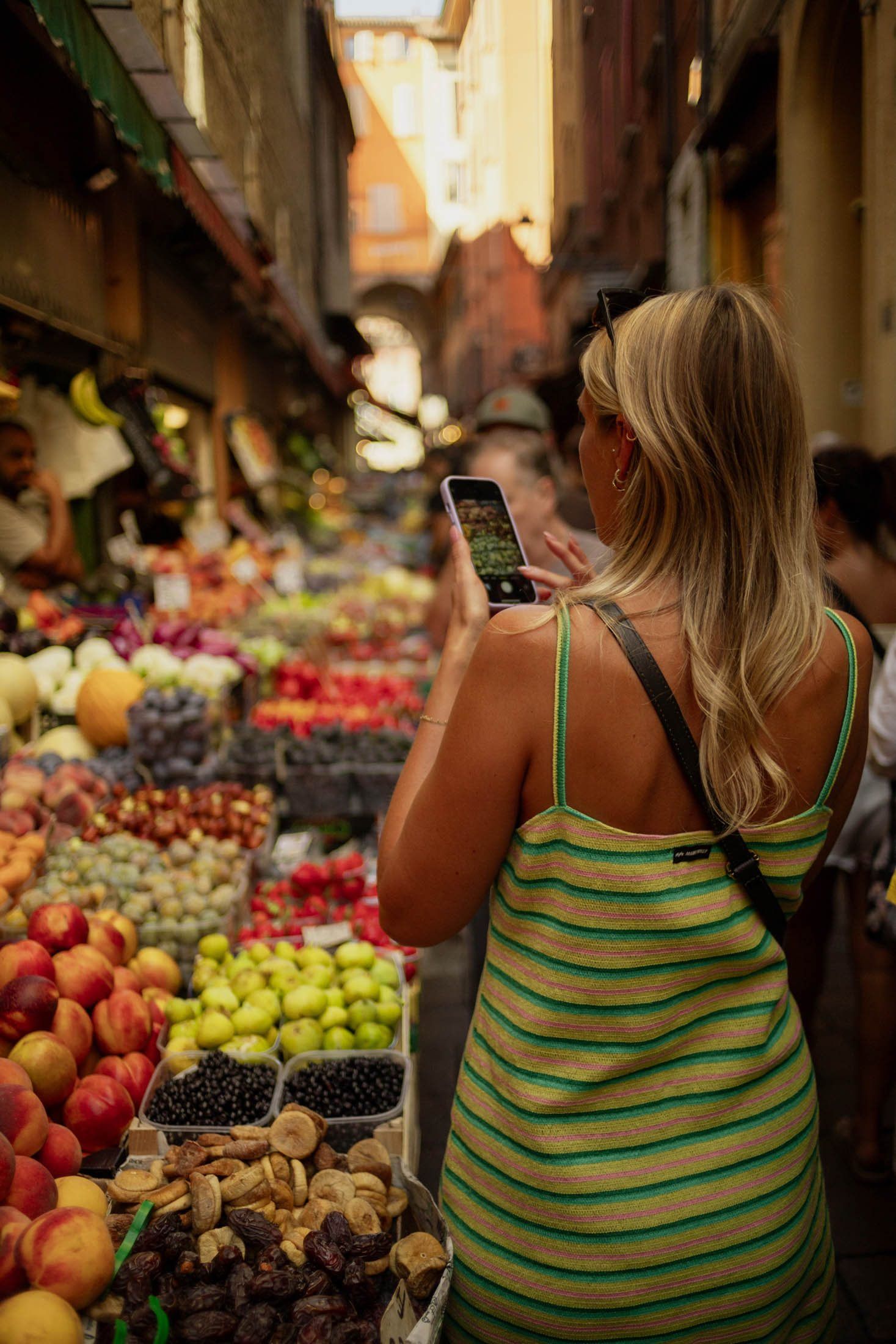
Bologna’s markets are where the city’s cooking begins, and the best time to see them is the morning, when locals are shopping for lunch and the stalls are full.
The Quadrilatero. The grid of narrow lanes between Piazza Maggiore and the Two Towers has been the city’s market since the Middle Ages. Via Pescherie Vecchie and Via Drapperie still carry the names of the trades that filled them. Today it is a mix of fruit and vegetable stalls, fishmongers, salumerie, bakeries and pasta shops, with plenty of places to eat in between. Go early, before the lunchtime crowds, and look at what the shops put in their windows: mortadella cut to order, tortellini laid out in neat rows, wedges of Parmigiano labelled by age.
Mercato delle Erbe. On Via Ugo Bassi, a short walk west of Piazza Maggiore, this is the city’s big covered market. It is where Bolognesi buy their fruit, vegetables, meat and cheese, and it also has places to eat inside. Come in the morning for the market itself, and check the hours before you go, as the stalls close for part of the afternoon and keep shorter hours on some days.
Mercato Ritrovato. On Saturday mornings a farmers’ market sets up in the courtyard of the Cineteca di Bologna, the city’s film archive, near Via Azzo Gardino. Small producers from the hills and plains around Bologna sell cheese, bread, vegetables, honey and wine, and it is a good place to see what is in season.
How to do it well: buy small amounts and taste as you go. A few slices of mortadella, a piece of 24-month Parmigiano and a loaf of bread make a better picnic than most lunches. If you would like to know what you are looking at, our guide to what to eat in Bologna covers the essentials.

Learn Pasta From a Sfoglina
If there is one food experience that explains Bologna, it is watching a sfoglina at work. The word means a woman who makes sfoglia, the thin sheet of fresh egg pasta that becomes tagliatelle, lasagne and tortellini. The dough is nothing more than flour and eggs. The skill is in the rolling.
A sfoglina works on a large wooden board, the tagliere, with a long rolling pin, the mattarello. She rolls and stretches the dough into a sheet so thin you can see the grain of the wood through it, and so even that it cooks in the same time from edge to centre. In Bologna this has always been home knowledge, passed down in families, and many of the city’s fresh pasta shops still roll by hand.
The best way to understand it is to try. A pasta class here usually means making tagliatelle and folding tortellini or tortelloni, then eating what you have made. Bologna Welcome, the city’s tourist board, keeps a list of cooking schools and sfogline, which is a good place to start.
What to look for in a class:
- Rolling by hand. A class that uses a pasta machine teaches you to use a machine. The point here is the mattarello.
- Small numbers. You need space at the board and someone watching your hands.
- Bolognese shapes. Tagliatelle, tortellini, tortelloni and lasagne sheets. Not a tour of every pasta in Italy.
- A meal at the end. You should sit down and eat your own pasta, ideally with a glass of local wine.
Don’t worry about getting it right. Your first sheet will have holes in it, and your tortellini will look nothing like the ones in the shop windows. That is how everyone starts.

Visit a Parmigiano Reggiano Dairy
Most people think of Parmigiano Reggiano as a cheese from Parma and Reggio Emilia, but the production area also takes in part of the province of Bologna, west of the river Reno. When the cheese consortium held its open dairies weekend, Caseifici Aperti, in May 2026, four of the 53 participating dairies were in the province of Bologna. You don’t have to go far to see it made.
A dairy visit is one of the most memorable food experiences you can have from Bologna. The cheese is made in the morning, so visits start early. You will usually see the copper vats where the milk is heated and the curd forms, the moulds where the young wheels take shape, the brine baths where they are salted, and finally the ageing rooms: tall shelves of wheels stretching to the ceiling, each one waiting at least twelve months before it can be sold as Parmigiano Reggiano.
Then comes the tasting, usually several ages side by side. Young cheese is milky and soft. Older cheese is drier, more crumbly and full of the little crystals that crunch between your teeth.
How to book: the Parmigiano Reggiano consortium’s website lets you search for dairies that welcome visitors and book a guided tour directly. Most dairies are in the countryside, so you will need a car or a driver, and you should book ahead. Almost all of them have a shop, and the prices are good. For ideas on what to do with your cheese once you are home, see our post on pairing Parmigiano Reggiano with aged balsamic.
Make Gelato Where the Machines Are Made
Bologna has an unusual claim to fame: much of the world’s gelato is made on machines designed here. The area is sometimes called Italy’s “Ice Cream Valley”, and Carpigiani, one of the best-known makers of gelato machines, has its home in Anzola dell’Emilia, about 12 km west of the city along the Via Emilia.
At its headquarters is the Carpigiani Gelato Museum, opened in 2012, alongside the Carpigiani Gelato University, which trains gelato makers from around the world. Visitors can book a short lesson called Discovering Gelato: about an hour and a half, combining a guided tour of the museum with a hands-on lesson in making fruit gelato, and a tasting of what you have made. At the time of writing it costs €20, the museum opens from Wednesday to Saturday, and booking is required.
It is a good choice for families, and a nice change from eating gelato every afternoon. Though you should still do that too.
Aperitivo and the Wine Bars
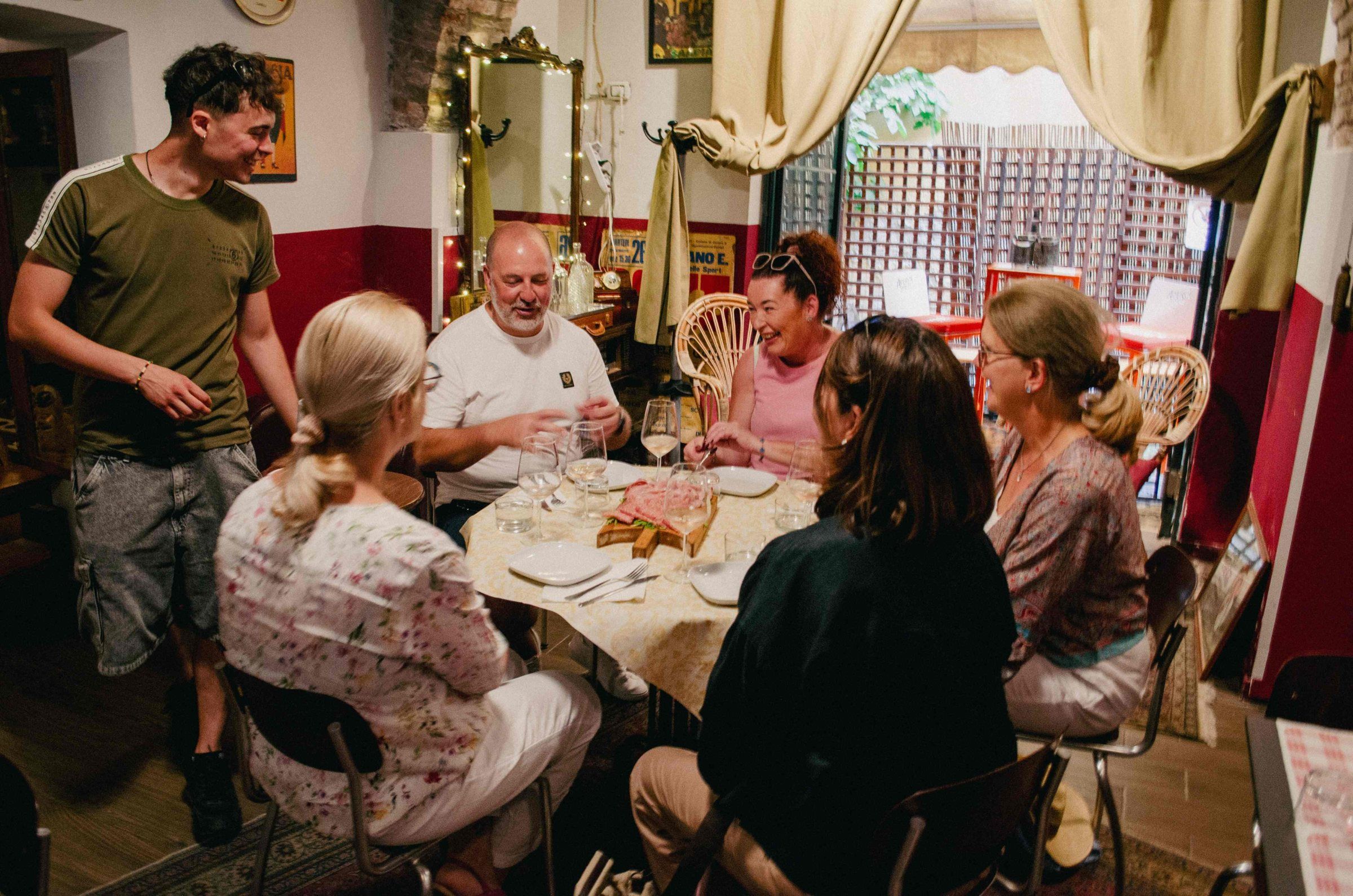
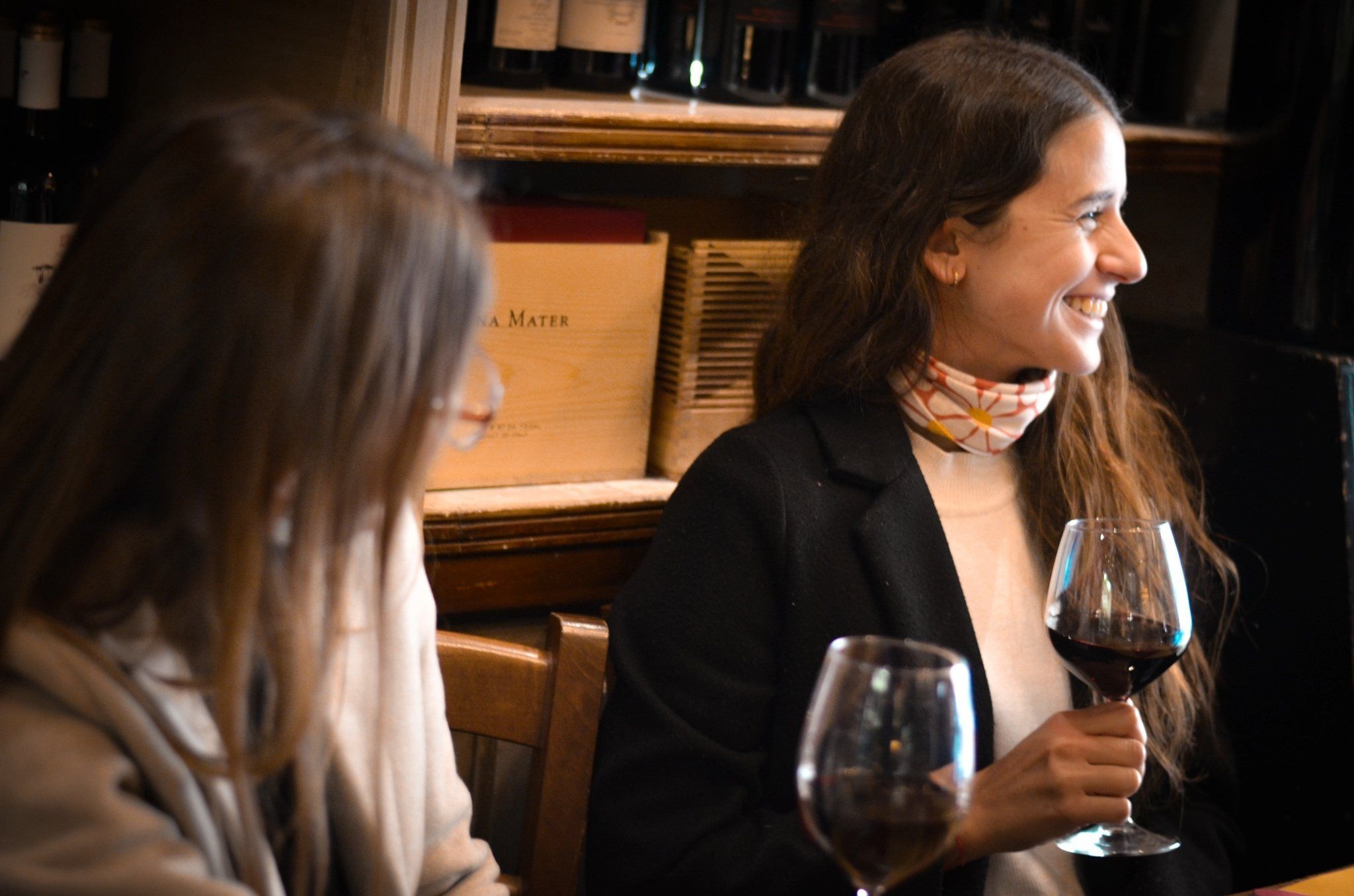
In the early evening, Bologna changes pace. Offices empty, students fill the squares and the wine bars under the porticoes start to get busy. Aperitivo is a glass of something before dinner, usually with a little food: a few slices of mortadella, some cheese, perhaps a crescentina, the fried bread that is eaten here with cured meats.
It is less a meal than a ritual. People stand, talk, have one glass, perhaps two, and then go on to dinner. What you drink tells you where you are. Pignoletto, the sparkling or still white from the hills around Bologna, is the local choice. Lambrusco, the dry, fizzy red from nearby Modena and Reggio, goes perfectly with anything fatty and salty.
For the oldest version of the ritual, the Osteria del Sole near Piazza Maggiore has served wine since 1465 and still serves no food at all: you bring your own from the market shops nearby. We told its story in our guide to historical restaurants in Bologna.
A few habits worth adopting: go between about half past six and eight, order at the counter if there is no table service, and don’t expect a huge buffet. In Bologna, the food that comes with your glass is a snack, not dinner.
Putting Together a Food Experience in Bologna
With a couple of days, you can build these experiences into a plan that works with the rhythm of the city rather than against it:
- Mornings are for markets and dairies. The stalls are full and the cheese is being made.
- Late mornings suit a pasta class that finishes with lunch.
- Afternoons are slow. Many shops close for a few hours, so use them for a walk under the porticoes or a gelato lesson outside town.
- Evenings are for aperitivo, then dinner at half past seven or later, never earlier.
Doing it on your own is perfectly possible, and this guide should help. If you would prefer someone to show you around, we run small-group walks from Piazza della Mercanzia: a Street Food Tour (€65, starting at 11:30 or 18:00) through the old market streets, and an Aperitivo & Wine Bars tour (€74, three hours) for the evening ritual. You can see all of them on our Bologna page.
A Few Questions We Get Asked
What is the one food experience in Bologna not to miss? If you only have time for one, make it the markets in the morning. They cost nothing to visit, they are in the centre, and they show you everything the city cooks with.
Do I need to book in advance? For markets and aperitivo, no. For a pasta class, a dairy visit or the Gelato Museum, yes, and the earlier the better in spring and autumn.
Can I visit a Parmigiano dairy without a car? It is difficult, because the dairies are in the countryside and visits start early. A driver or an organised trip is the easiest option.
Is Sunday a good day for food experiences? It is a quiet day. Many shops and some market stalls are closed, so save your market morning for a weekday or Saturday.