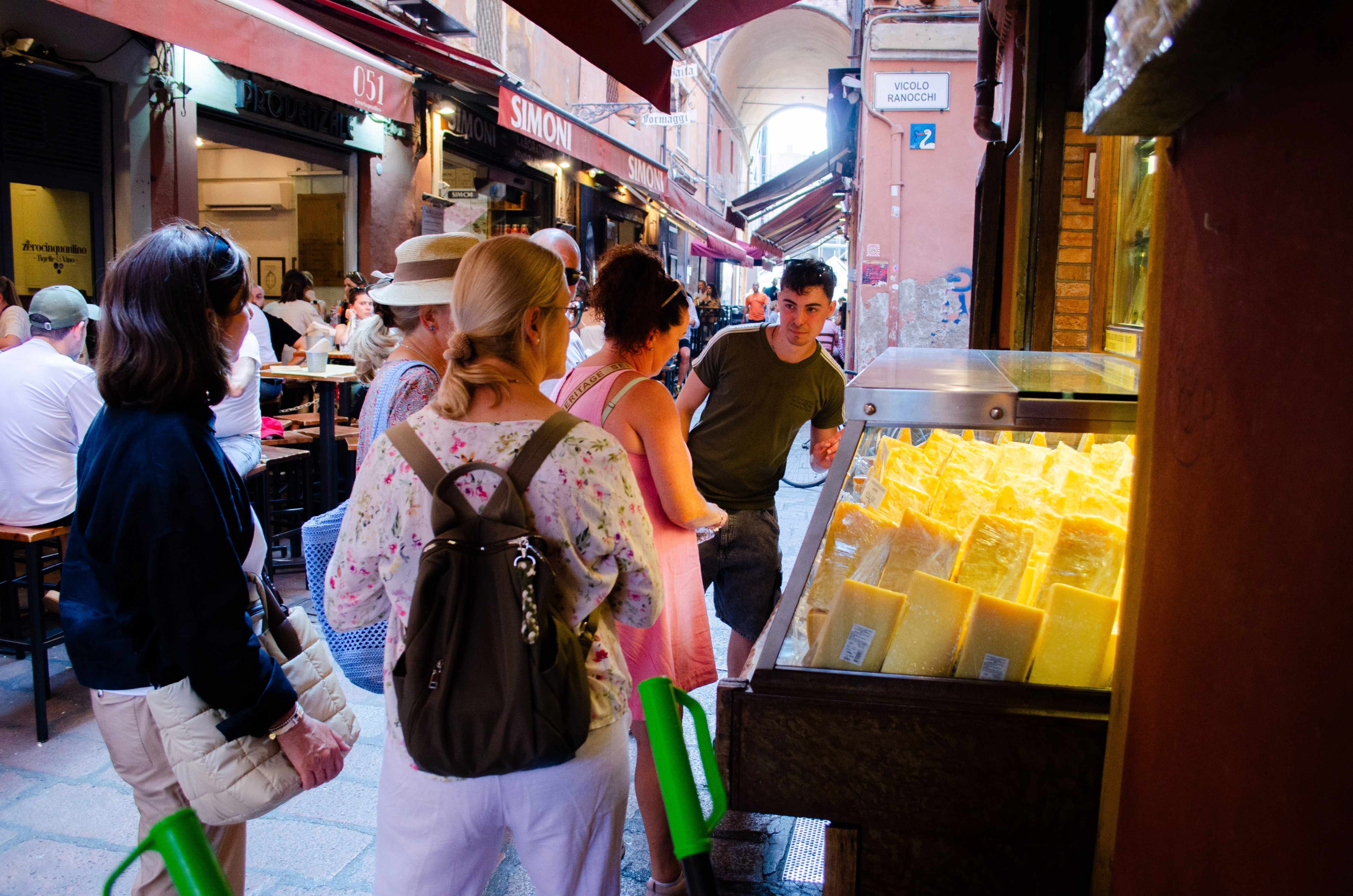
Bologna is not just another Italian city. It’s the food capital of Italy.
If you come here and eat like a tourist, you will miss 80% of what makes this city special.
This guide shows you exactly what to eat in Bologna, where to find it, and how locals actually experience food.
Why Bologna Is the Food Capital of Italy
Bologna sits in the heart of the Emilia-Romagna region, one of the richest culinary areas in Europe.
This is where some of Italy’s most iconic foods were born:
Fresh egg pasta
Aged cheeses
Slow-cooked meat sauces
Traditional cured meats
Unlike cities built for tourism, Bologna still cooks for locals first. That’s why the food is heavier, richer, and more authentic.
1. Tagliatelle al Ragù (Not “Spaghetti Bolognese”)

Let’s fix this immediately.
“Spaghetti Bolognese” does not exist in Bologna.
If you order it, you’ve already exposed yourself as a tourist.
The real dish is tagliatelle al ragù.
The pasta is fresh egg pasta, not dried
The sauce is meat-based, not tomato-heavy
It’s cooked slowly for hours, not rushed
The reason tagliatelle is used is simple:
it holds the sauce properly.
Spaghetti doesn’t.
If you want to eat this like a local:
Never ask for extra sauce
Never ask for cheese before tasting
And don’t rush it
This is not fast food. It’s a process.
2. Parmigiano Reggiano & Balsamic Vinegar

Bologna sits at the center of Emilia-Romagna, which means some of Italy’s most important products naturally end up on the table here.
Two of them define the experience: Parmigiano Reggiano and traditional balsamic vinegar.
You won’t necessarily visit where they are produced, but you will taste them in Bologna, often in a simple and very intentional way.
Parmigiano Reggiano is not just “parmesan.” It’s aged for months or years, developing a deeper and more complex flavor over time.
12 months is mild and soft
24 months is more structured and balanced
36+ months becomes sharper, more intense, and slightly granular
It’s usually served in chunks, not grated, so you can experience both texture and flavor.
Alongside it, you may find a few drops of traditional balsamic vinegar from nearby Modena. Not the liquid you see in supermarkets, but a thick, concentrated product aged for years.
It’s used carefully, in small amounts, to enhance the cheese rather than overpower it.
Often, these are paired with simple additions like honey, jams, or bread.
It may seem like a small part of the meal, but it reflects something essential about Bologna.
Even the simplest products are treated with precision and respect.
3. Tigelle & Crescentine

Crescentine are one of the most social foods you’ll find in Bologna.
They are small pieces of fried dough, served hot and slightly crispy on the outside, soft inside. Simple on their own, but not meant to be eaten alone.
They always come with a selection of cured meats, cheeses, and spreads.
You don’t order a single portion for yourself. You share.
At the table, everyone builds their own combination, filling each piece with mortadella, prosciutto, soft cheeses, or local spreads.
It’s informal, relaxed, and designed for groups.
This is not just about the food. It’s about how people eat in Emilia-Romagna.
Meals are not rushed. They are built around conversation, sharing, and variety.
Crescentine reflect that perfectly.
4. Tortellini (The Most Iconic Pasta of Bologna)
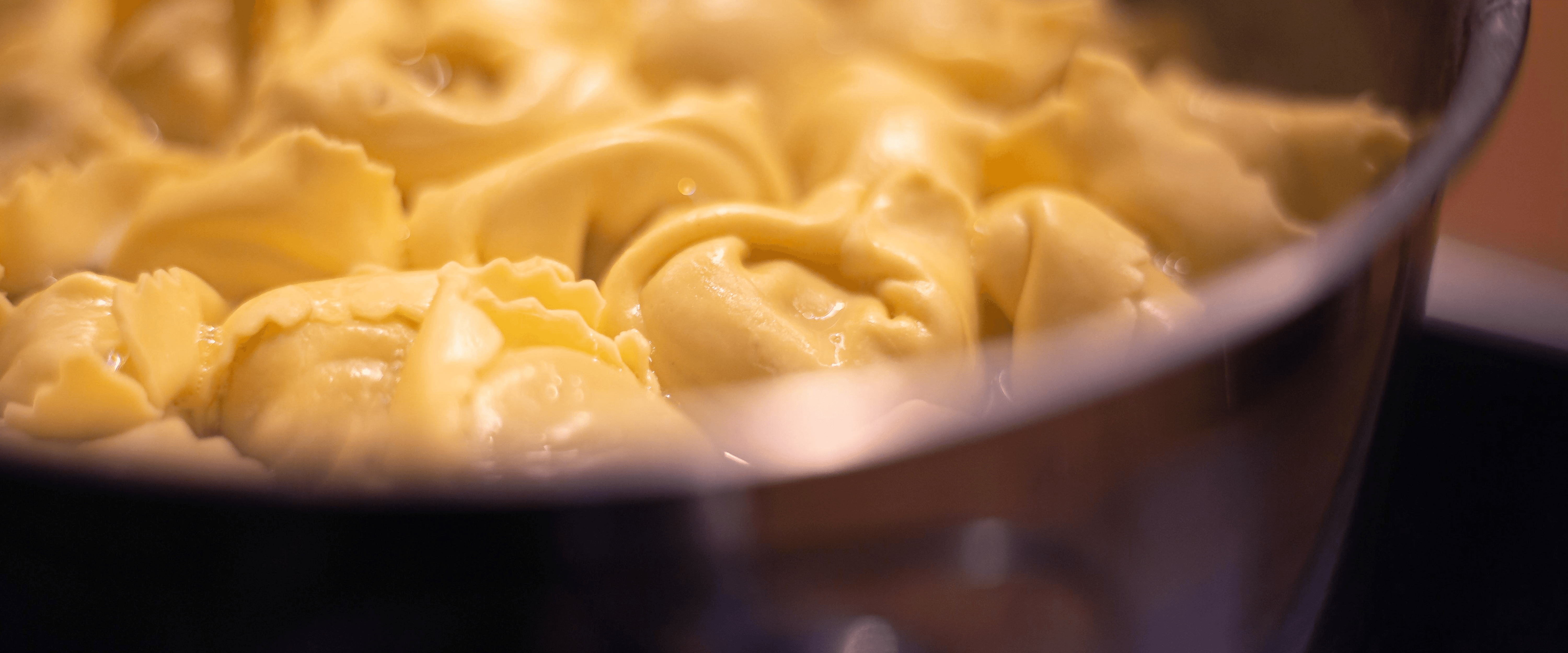
Tortellini are one of the most iconic foods in Bologna.
Small, delicate, and filled with a mixture of meat, they represent the precision and tradition of the local cuisine.
The classic version is tortellini in brodo, served in a clear, rich broth. Simple on the surface, but technically demanding to prepare correctly.
Each tortellino is handmade, carefully folded, and filled with a mix that typically includes pork, prosciutto, and Parmigiano Reggiano.
But tortellini are not limited to one format.
In some places, you’ll also find:
Tortellini fritti, lightly fried until golden and crispy
Tortellini served with cream or richer sauces in more modern interpretations
These variations show a different side of the city.
Bologna respects tradition, but it also allows space for evolution.
Whether in broth, fried, or served in a different style, tortellini remain at the center of the local food identity.
5. Torta di Riso (Bologna’s Traditional Dessert)
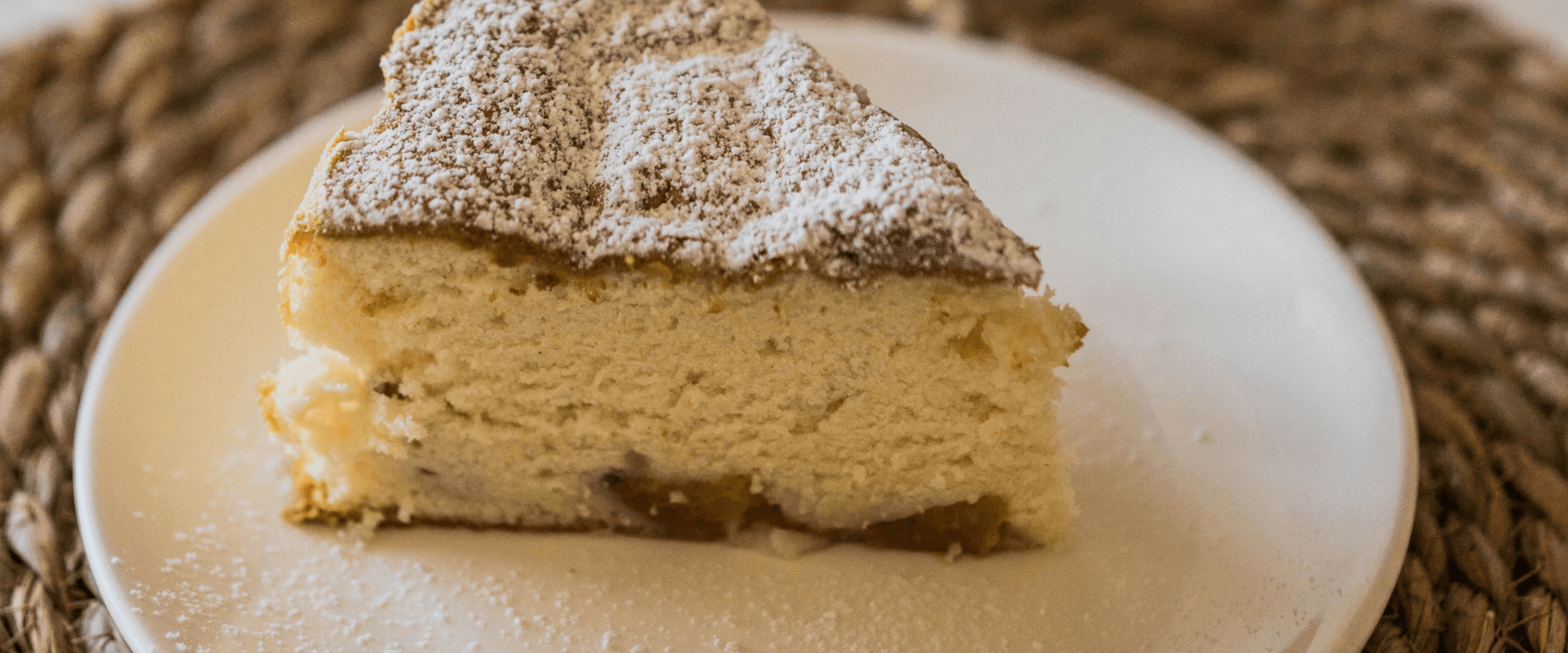
Torta di riso is one of the most traditional desserts in Bologna.
Simple in appearance, but deeply rooted in the local culture, it’s made with rice, milk, eggs, sugar, and often flavored with almonds or citrus.
The texture is soft and slightly dense, somewhere between a cake and a custard.
It’s not overly sweet, and that’s part of its character.
Unlike more elaborate desserts, torta di riso reflects a different side of the cuisine. More essential, more restrained, and closely tied to tradition.
You’ll find it in bakeries and local pastry shops across the city, often cut into simple squares.
It’s a quiet ending to a meal, but a very authentic one.
Final Thoughts
Bologna doesn’t try to impress you.
That’s why most people never experience it properly.
They eat well, but they miss the places, the context, and the details that actually define the city.
If you want to experience Bologna beyond the obvious, the difference is simple: knowing where to go and how to do it.
That’s exactly what our food tours are built for.
See available tours and book your spot here: depetrini.com/bologna