Blog26 November 2026
Parma Food Guide: Prosciutto, Parmigiano and Culatello
Parma food guide: visiting a prosciutto house in the hills, Parmigiano at the dairy, culatello from the Po plain and what to eat in town, planned from Bologna.

Parma gives its name to two of the most famous foods in the world, and most visitors still leave having eaten them only on a plate in town. That is a shame, because the best part of a food trip here happens outside the city walls: in the curing houses in the hills, in the dairies at dawn, and in the foggy flatlands along the Po where culatello is made. This Parma food guide is about how to see all three, and what to eat when you get back into town.
We are based in Bologna, an hour down the line, and we plan days out to Parma all year. What follows is what we tell people before they go. Visiting arrangements and opening times change, so always check before you set off.
Why Parma Deserves More Than a Lunch Stop
Parma sits at the western end of the Via Emilia, the old Roman road that links most of Emilia-Romagna’s great foods. It likes to call itself the capital of the Food Valley, and it was the first Italian city to be named a UNESCO Creative City of Gastronomy. Those are labels, but they point to something real: within half an hour of the centre, in different directions, you can see Prosciutto di Parma, Parmigiano Reggiano, culatello and Salame Felino being made, each in the landscape that shapes it.
The trick is to understand that these foods do not come from the same place. Prosciutto belongs to the hills to the south. Culatello belongs to the plain to the north, by the river. Parmigiano is made across a wide area that reaches Modena and part of the province of Bologna. A good day picks one direction and does it properly, rather than trying to cross the whole province before lunch.
Prosciutto di Parma: Up Into the Hills
Prosciutto di Parma is cured in the hills south of the city, with Langhirano as its heart. The dry air that comes down from the Apennines is the reason it is made here, and older curing houses still have the tall, narrow windows that were once opened and closed by hand to let that air through the hams.
The rules are strict. The only thing added to the pork leg is salt, with no other preservatives. In 2023 the producers’ consortium tightened its specification: for legs entering production from September that year, the minimum curing time went up from 12 to 14 months, and the maximum salt content came down. Every ham that passes is fire-branded with the five-pointed ducal crown, which is the mark to look for.
Some prosciutto houses welcome visitors by appointment. A visit usually walks you through the stages: salting, resting in cold rooms, washing and drying, then the long months hanging in the curing halls, where an expert checks each ham by piercing it with a sliver of horse bone and smelling it. It ends, of course, with tasting, often of hams at different ages side by side, which is the best way to understand what time does to the flavour.
Two other ways in are worth knowing. The Museo del Prosciutto di Parma, one of the province’s Musei del Cibo (food museums), is in Langhirano, in the town’s former cattle market. And every September Langhirano hosts the Festival del Prosciutto di Parma; in 2026 it ran from 4 to 6 September. During the festival’s “Finestre Aperte”, or open windows, producers open their curing houses so visitors can see the work and taste at the source. If your dates line up, it is the easiest way to get inside several prosciuttifici in one weekend.

Parmigiano Reggiano at the Dairy
Parmigiano Reggiano is best seen early in the morning, when the milk from the evening before and that morning goes into the big copper vats. You watch the curd being broken, cooked and lifted out in a cloth by two cheesemakers, then cut in two to make the twin wheels. Later come the brine baths and the ageing rooms, where tens of thousands of wheels sit on tall wooden shelves for at least 12 months, and often two or three years.
The production area covers the provinces of Parma, Reggio Emilia and Modena, plus parts of Bologna and Mantua, so you can visit a dairy whichever direction you take. The consortium lists dairies that welcome visitors, and most need booking. We describe how we arrange a dairy morning on our Parmigiano Reggiano experience page.
If you cannot get to a dairy at dawn, the Museo del Parmigiano Reggiano in Soragna, north of Parma, tells the story in a 19th-century dairy building in the Corte Castellazzi, near the town’s castle. It is part of the same network of food museums, so check its opening days before you go.
Culatello and the Salumi of the Bassa
North of Parma the land flattens towards the Po, into what locals call the Bassa: poplars, canals and, in winter, thick fog. That climate, cold and damp in winter and hot in summer, is exactly what culatello needs.
Culatello di Zibello DOP is made from the inner muscle of the pork thigh, the most prized part of the leg, cured in a pig’s bladder and tied with string into its pear shape. It must be aged for at least 10 months, and it can only be made in eight small towns along the river: Busseto, Polesine Parmense, Zibello, Soragna, Roccabianca, San Secondo, Sissa and Colorno. It is a Slow Food Presidium, and it is made in far smaller quantities than prosciutto. When you see it on a menu in Parma, order it; it is sweeter, softer and deeper than prosciutto, and you will rarely find the real thing outside this area.
Between the hills and the river, a few other cured meats are worth looking out for. Salame Felino IGP, named after the village of Felino in the Baganza valley, is a soft, mild pork salami seasoned with garlic and wine; the town has its own salami museum in the cellars of its castle. And you will often see spalla cotta, cooked pork shoulder, served warm in the Bassa, especially around San Secondo. A board of Parma salumi with all of these on it is the ideal way to compare them.

What to Eat in Parma Itself
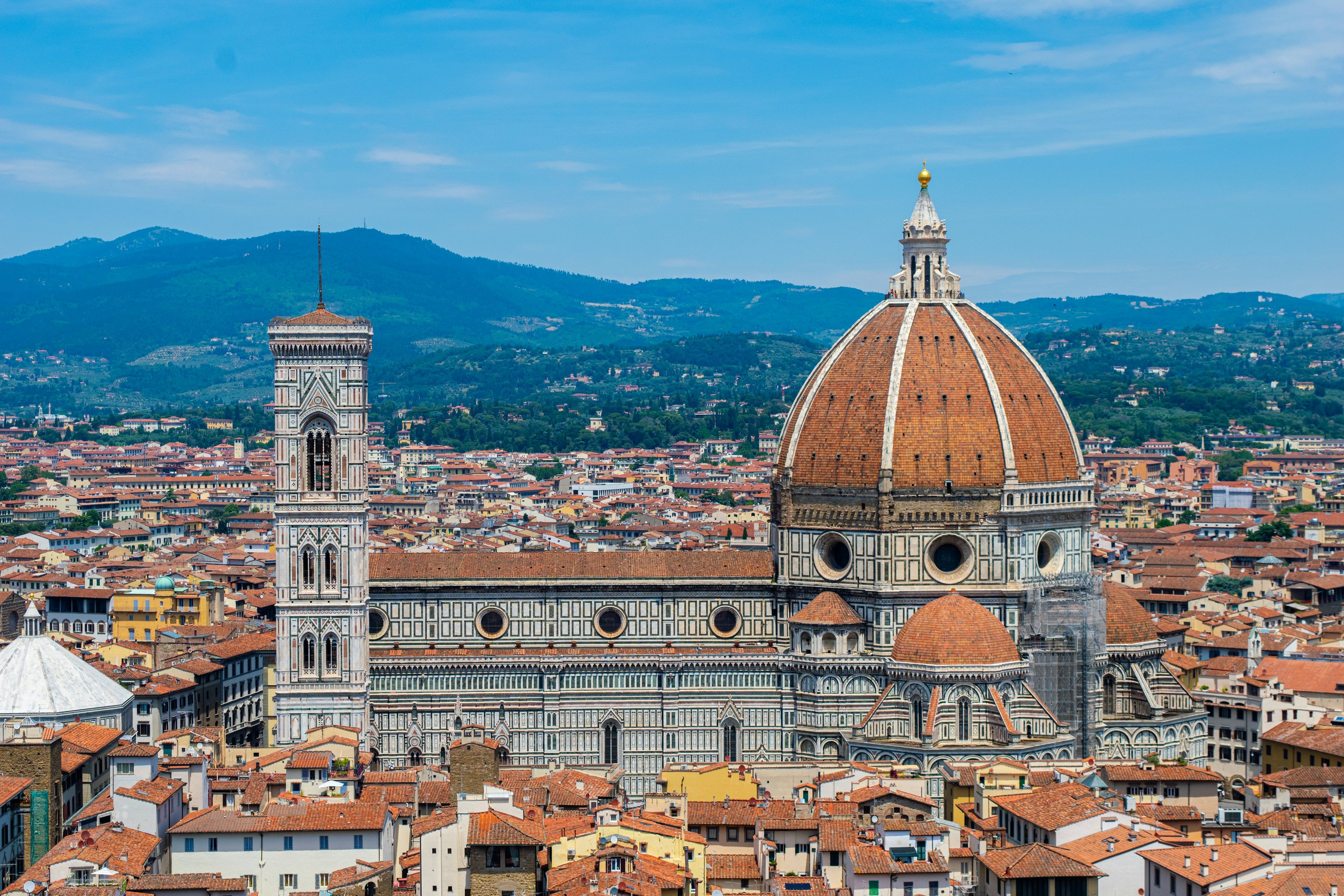
Back in town, the centre is compact and easy to walk, with the cathedral and its frescoed dome, and the pink marble baptistery beside it, in Piazza Duomo. The city’s own dishes are what to look for at lunch:
- Torta fritta: Parma’s fried dough, puffed and hot, served with salumi and cheese. It is the local cousin of Modena’s gnocco fritto and Bologna’s crescentine.
- Anolini in brodo: small filled pasta served in a rich broth. Families guard their own filling recipes, and no two kitchens make them quite the same way.
- Tortelli d’erbetta: large tortelli filled with ricotta and greens, dressed simply with melted butter and Parmigiano. They are traditionally eaten on the night of San Giovanni, in late June, which locals call a second Christmas Eve.
- Caval pist: for the curious, a raw horse-meat tartare seasoned with salt and oil, a Parma tradition few visitors try.
- Violette candite: candied violets, linked to Marie Louise of Austria, the duchess who ruled Parma in the 19th century. You will find them in pastry shops in town.
Eat the salumi as an antipasto, the pasta as a first course, and leave the rest of the afternoon for walking. Parma is a city that rewards a slow pace.
Planning a Parma Food Tour from Bologna
Parma is an easy day from Bologna. High-speed trains do the journey in about 50 minutes, and the regional fast trains, which run roughly hourly and stop at Modena and Reggio Emilia, take a little longer at a fixed fare. The historic centre is a short walk from Parma station.
The producers are a different matter. Prosciutto houses in the hills, dairies in the countryside and culatello makers in the Bassa are all hard to reach without a car or a driver, and most visit by appointment only. If you drive yourself, remember that Parma’s centre has a restricted traffic zone, so park outside it.
A good Parma food tour might look like this: a Parmigiano dairy at dawn, a prosciutto house in the hills around Langhirano mid-morning, then lunch and an afternoon in town. If culatello matters more to you than prosciutto, swap the hills for the Bassa and have lunch by the river instead. Trying to do both in one day usually means seeing everything through a car window.
If you would rather have the day arranged, our Emilia-Romagna Food Escape is a private four-day trip based in Bologna, with a Parmigiano dairy at dawn and the option of an afternoon in Parma, with a driver for the days out. It is one way to do it, and we shape it around your dates and interests. Our Emilia-Romagna food itinerary shows how Parma fits alongside Modena and Bologna over a few days.
A Few Common Questions
Can I visit a prosciutto factory in Parma? Yes, several prosciutto houses around Langhirano take visitors, almost always by appointment. The September festival’s open-windows weekends are the easiest time to visit without booking each one separately.
Is Parma better as a day trip or an overnight stay? A day is enough for one producer visit and the city. Stay a night if you want both the hills and the Bassa, or if you want a long, unhurried dinner without watching the clock for the last train.
What is the difference between prosciutto and culatello? Prosciutto is the whole leg, cured on the bone in the hills; culatello is only the inner heart of the leg, cured in a bladder in the humid plain by the Po. They are both from Parma, and they taste nothing alike.