Blog5 November 2026
An Emilia-Romagna Food Itinerary: 4 Days from Bologna
A four-day Emilia-Romagna food itinerary based in Bologna, with days out to Modena and Parma: Parmigiano at dawn, traditional balsamic, prosciutto and pasta.
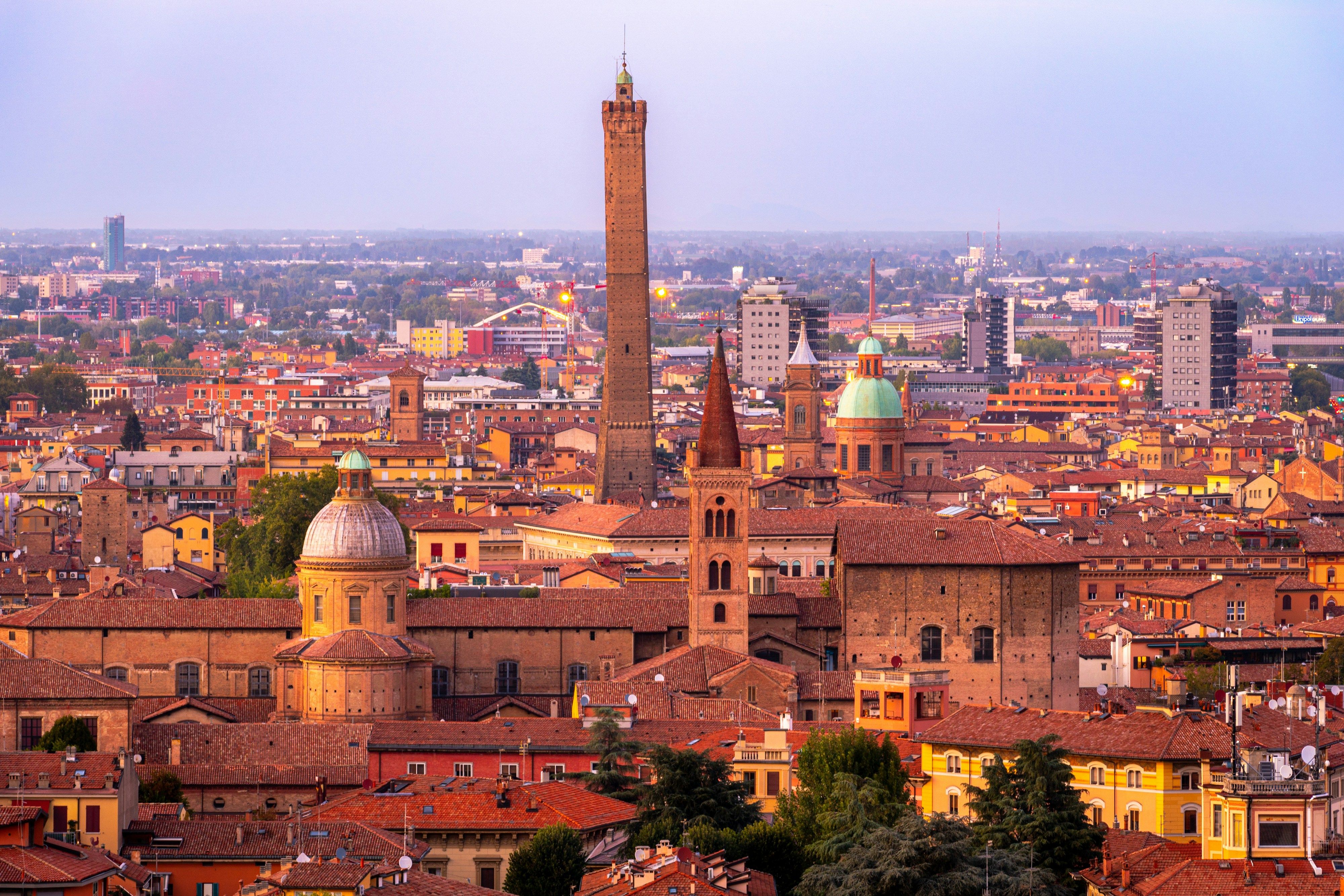
Emilia-Romagna is a small region with a remarkable number of famous foods. Parmigiano Reggiano, Prosciutto di Parma, traditional balsamic vinegar, Lambrusco, tortellini and tagliatelle all come from a stretch of the old Roman road, the Via Emilia, that you can cross by train in about an hour. That makes it the easiest food region in Italy to plan, and also the easiest to get wrong, because most first plans try to fit everything into every day.
This Emilia-Romagna food itinerary is the one we would build for a friend: four days, one hotel in Bologna, and days out to Modena and Parma timed around when the food is actually being made. We plan trips here all year, and the advice below is what we have found works. Opening hours change, so always check before you go.
How to Plan an Emilia-Romagna Food Itinerary
Stay in one place. Bologna, Modena and Parma sit in a line along the Via Emilia, and the train between them is quick. A regional train from Bologna to Modena takes roughly 20 to 30 minutes, and Bologna to Parma takes about 50 minutes to an hour. Changing hotels every night costs you more time than it saves. Bologna is the natural base: it is the biggest of the three, has the most trains, and has the best evenings.
Know when things happen. Parmigiano Reggiano is made in the early morning, so a dairy visit means an early start. Markets are best before lunch. Lunch runs from about half past twelve to half past two, and kitchens close promptly after that. Many shops close for a few hours in the afternoon. Dinner starts at half past seven or later.
Think about transport. The cities are easy by train, and you don’t want a car in any of their historic centres, which are restricted traffic zones (ZTL) with automatic fines. The producers are a different matter. Dairies, acetaie and prosciutto houses are mostly in the countryside, and without a car or a driver they are hard to reach. The usual answer is the train for the cities and a car or driver for the farm days.
Book the producers first. Dairies and acetaie take visitors by appointment, and spring and autumn fill up early. Once those are fixed, build the rest of each day around them.
Day One: Bologna and the Osterie
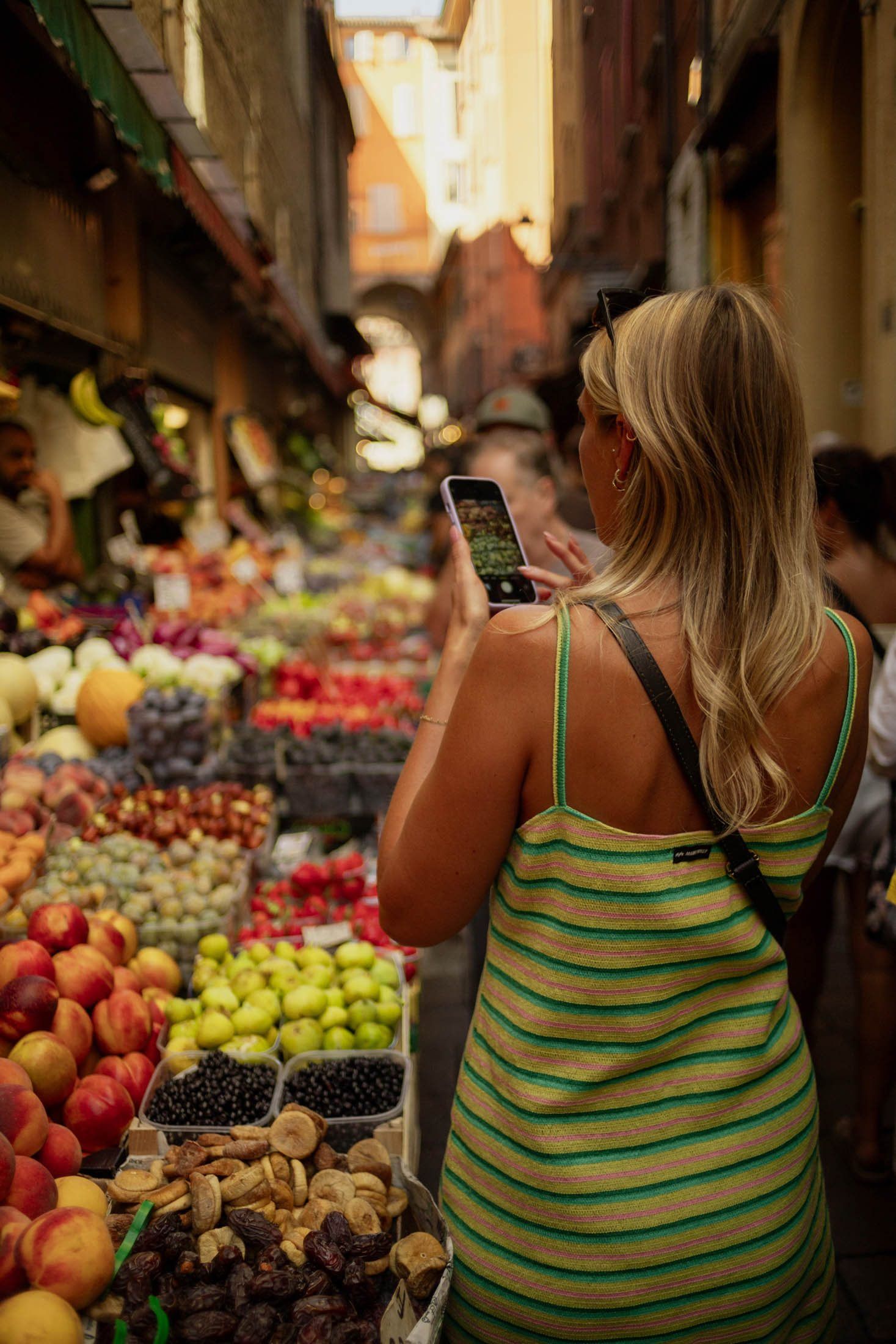
Arrive, drop your bags and walk. Bologna’s old centre is compact, and most of it is under porticoes, so it works in any weather. Start in the Quadrilatero, the grid of medieval market lanes beside Piazza Maggiore, where the shops still sell what the city cooks with: mortadella cut to order, Parmigiano labelled by age, and fresh tortellini laid out in rows in the pasta shop windows.
This is the day to learn what Bolognese food tastes like before you go to its sources. Order tagliatelle al ragù, tortellini in brodo and a plate of mortadella, and drink a glass of Pignoletto, the white wine from the hills just outside the city. If you would like to know what you are ordering, our guide to what to eat in Bologna covers the essentials.
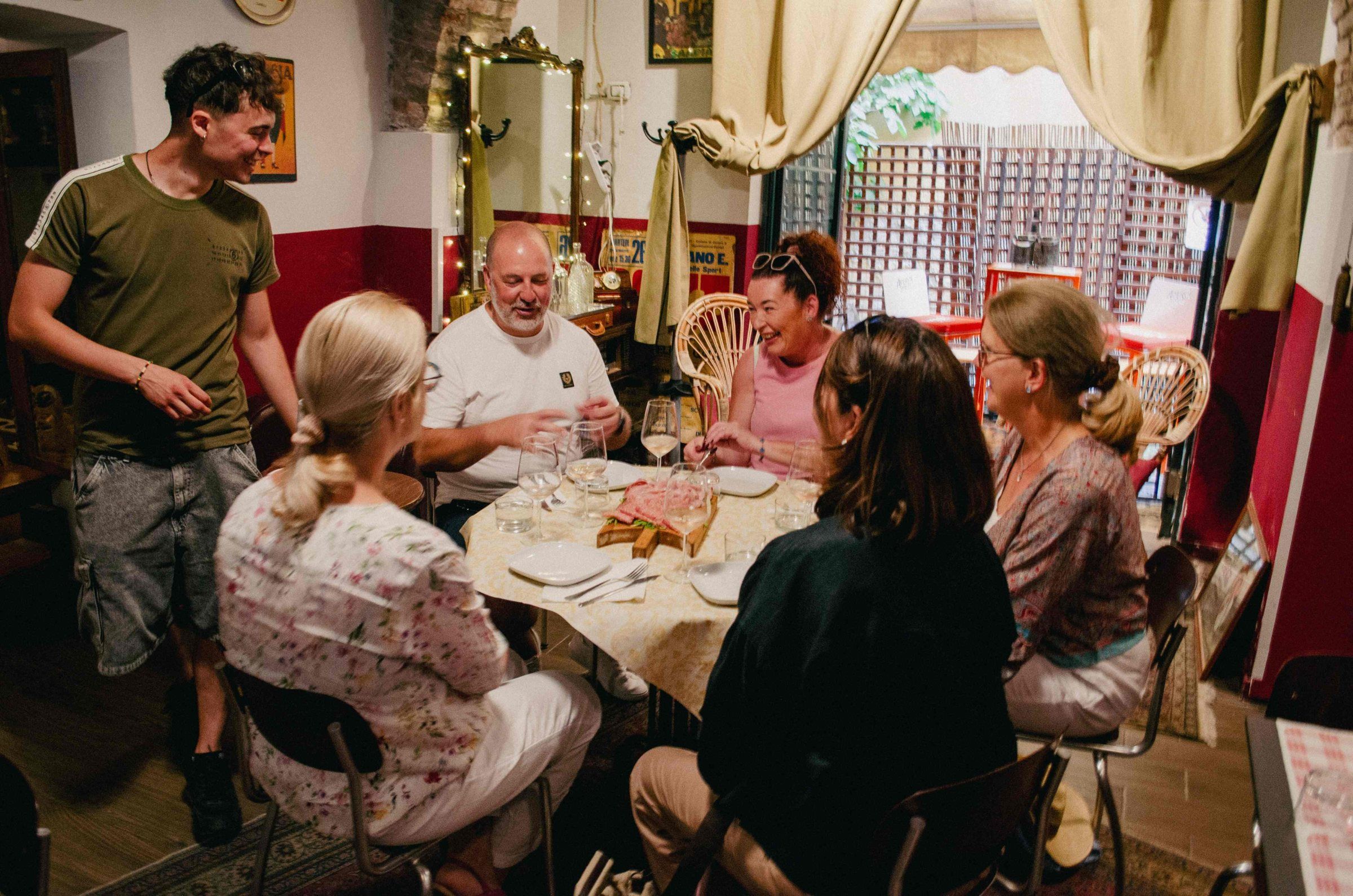
In the evening, do as the Bolognesi do: an aperitivo in a wine bar around seven, then a late dinner in an osteria. If you would rather have someone show you around on the first night, our small-group evening walks in the old town are on our Bologna page.

Day Two: Parmigiano at Dawn, Then Modena
This is the early start, and it is worth it. Parmigiano Reggiano is made every morning, and the best part of a dairy visit happens before about ten: the milk being heated in the copper vats, the curd forming and being lifted out in cloth, the young wheels going into their moulds. Then you see the brine baths and the ageing rooms, with shelves of wheels to the ceiling, each one waiting at least twelve months before it can be sold. A tasting of different ages usually ends the visit.
The production area includes the provinces of Parma, Reggio Emilia and Modena, and part of the province of Bologna, so there are dairies within easy reach of your base. The Parmigiano Reggiano consortium’s website lists dairies that welcome visitors and lets you book directly. We describe how we arrange a dairy morning on our Parmigiano Reggiano experience page.
From the dairy, carry on to Modena for lunch. It is a calmer, smaller city than Bologna, with a Romanesque cathedral and the Ghirlandina tower in Piazza Grande. A few steps away is the Mercato Albinelli, Modena’s covered market, open since 1931. The stalls trade from Monday to Saturday, from seven in the morning to three in the afternoon (until seven on Saturday), and there are places to eat inside.
Modena’s food is close to Bologna’s but not the same. Look for tigelle (also called crescentine), small discs of bread cooked between hot plates and filled with cured meat, cheese or a smear of lard; gnocco fritto, puffed fried dough eaten with salumi; and, in winter, zampone and cotechino, the city’s spiced pork specialities, served with lentils. The wine is Lambrusco, and Modena has three of its own: the pale, fragrant Sorbara, the darker Grasparossa di Castelvetro, and Salamino di Santa Croce. To finish, a small glass of nocino, the dark walnut liqueur.

Balsamic Vinegar: What You Are Really Tasting
The afternoon belongs to balsamic vinegar, and it helps to understand the labels before you visit an acetaia, because there are two very different products with almost the same name.
Aceto Balsamico Tradizionale di Modena DOP is made only in the province of Modena, from the must of local grapes, and aged in a batteria: a row of wooden barrels of decreasing size. Each year a small amount is drawn from the smallest barrel, and each barrel is topped up from the next larger one, so the vinegar slowly concentrates over the years. It must be aged for at least 12 years (affinato) or at least 25 years (extravecchio), pass a tasting panel, and be sold only in the small bottle designed by Giorgetto Giugiaro, with a numbered seal. It is thick, sweet and sour at once, and it is used by the drop.
Aceto Balsamico di Modena IGP is the everyday kind. It is a blend of grape must and wine vinegar, matured for at least 60 days in wooden barrels; it can be called invecchiato (aged) after more than three years. Good IGP is perfectly honest food for salads and cooking. It is just not the same thing.
An acetaia visit usually means climbing into an attic, because the barrels are kept under the roof, where the summer heat and winter cold do their work. Many acetaie are family concerns, with batteries started generations ago, and a tasting moves from younger to older vinegars, often with Parmigiano. Book ahead, and if you buy, buy the DOP bottle there. For what to do with it at home, see our post on pairing Parmigiano Reggiano with aged balsamic.

Day Three: Fresh Pasta, Then Parma
Spend the morning at a pasta board in Bologna. Learning to roll sfoglia, the thin sheet of egg pasta, by hand with a long rolling pin is the best way to understand why the city’s tagliatelle and tortellini taste the way they do. A good class is small, rolls by hand rather than by machine, and ends with lunch.
In the afternoon, take the train to Parma. The centre is elegant and easy to walk, with the cathedral and baptistery in Piazza Duomo, and it has its own dishes to look for: anolini in brodo, small filled pasta served in broth, with family recipes for the filling; tortelli d’erbetta, filled with ricotta and greens; and torta fritta, Parma’s version of fried dough, eaten hot with salumi.
Parma’s cured meats deserve a day of their own if you have one. Prosciutto di Parma comes from the hills south of the city, around Langhirano, where the dry air from the Apennines does the curing. It is made with no additives beyond salt, aged for at least 12 months, and fire-branded with the Parma crown. Some prosciutto houses take visitors by appointment, and the Museo del Prosciutto di Parma in Langhirano opens on weekends and holidays from 1 March to 8 December. North of the city, in the flat, foggy land along the Po, is the home of culatello di Zibello, the most prized cut of all, which is worth ordering whenever you see it on a menu.
Day Four: A Slow Last Morning
Keep the last day light. Go back to the Quadrilatero in the morning for the shopping you held off on: a piece of 30-month Parmigiano, a vacuum-packed mortadella, dried pasta from a good producer, a bottle of Lambrusco. Have a last coffee standing at a bar, and leave time for one more plate of tortellini before your train.
If you have a fifth day, use it. Either go back into the Parma hills for a prosciutto house and a long lunch, or stay in Bologna and do nothing in particular, which is how most people end up liking the city best.
When to Go, and a Few Practical Notes
Emilia-Romagna works all year, but each season changes the plan. Autumn is the richest time: the grape harvest, new wine, mushrooms and the first cold evenings that suit tortellini in broth. Winter brings zampone, cotechino and fog over the plain, and some smaller places keep shorter hours. Spring is mild and good for walking. July and August are hot in the cities, and many family businesses close for part of August, so check before you book anything.
Can I do this without a car? The cities, yes, easily by train. The dairies, acetaie and prosciutto houses are much easier with a car or a driver.
Is four days enough? It is enough for the essentials without rushing. With three days, drop the Parma afternoon. With five or six, add a second day in the Parma hills.
Do I need to speak Italian? No, but book producer visits in advance and ask for a visit in English, since not every dairy or acetaia offers one every day.
If you would rather not piece it together yourself, our Emilia-Romagna Food Escape is a private four-day trip built on this same idea: one base in Bologna, a dairy morning, a family acetaia near Modena and fresh pasta with a sfoglina, with a driver for the days out. It is one way to do it, and we can shape it around your dates and interests.