
Italy's food culture is full of traditions that are hidden in plain sight. Walk through any historic city and you'll likely see signs for an osteria, trattoria, or enoteca. They may all look like restaurants, but each represents a different chapter of Italian history and offers a distinct dining experience.
The osteria is the oldest. Its origins trace back to the Latin word hospes, meaning both host and guest, reflecting the ancient importance of hospitality. Originally, an osteria wasn't a restaurant at all. It was a simple place where travellers could rest, drink local wine, and share stories. Food was often brought by the guests themselves, while the host supplied wine and a welcoming table.

These establishments became an essential part of Italian social life. Medieval Bologna alone had more than 150 osterie, serving merchants, students, and pilgrims. Some still preserve these traditions today. At Bologna's famous Osteria del Sole, founded in 1465, visitors can still bring their own food while enjoying the house wine. Choose an osteria if you're looking for an authentic atmosphere, local wine, and a direct connection to Italy's past rather than an elaborate meal.
The trattoria appeared much later, during the eighteenth and nineteenth centuries, as Italians began travelling more and sought proper home-cooked meals. Unlike the wine-focused osteria, the trattoria placed food at the centre of the experience.
Typically run by families, trattorias became guardians of regional cuisine. Recipes were passed from one generation to the next, using seasonal ingredients and local traditions rather than fashionable trends. Menus often change daily depending on what's fresh, featuring handmade pasta, slow-cooked ragù, roasted meats, and simple vegetable dishes.

The atmosphere is warm, relaxed, and welcoming. There's no rush, and meals are meant to be enjoyed slowly. A good rule when choosing a trattoria is simple: look for one filled with locals. If neighbourhood families and workers eat there regularly, you've probably found somewhere special.
The enoteca has a completely different history. The word comes from the Greek oinos (wine) and theke (storage), originally referring to places where wine was stored and sold. Today, the enoteca has evolved into Italy's version of a wine bar and tasting room.
Wine is the main attraction. Rather than extensive food menus, you'll find carefully selected bottles from regional producers alongside cheese, cured meats, bruschetta, and other small dishes designed to complement the wines. Staff are usually passionate and knowledgeable, helping guests discover local grape varieties, understand different terroirs, and appreciate the stories behind each bottle.
Some enoteche are rustic and traditional, while others are modern and elegant, but all share the same goal: celebrating Italian wine.
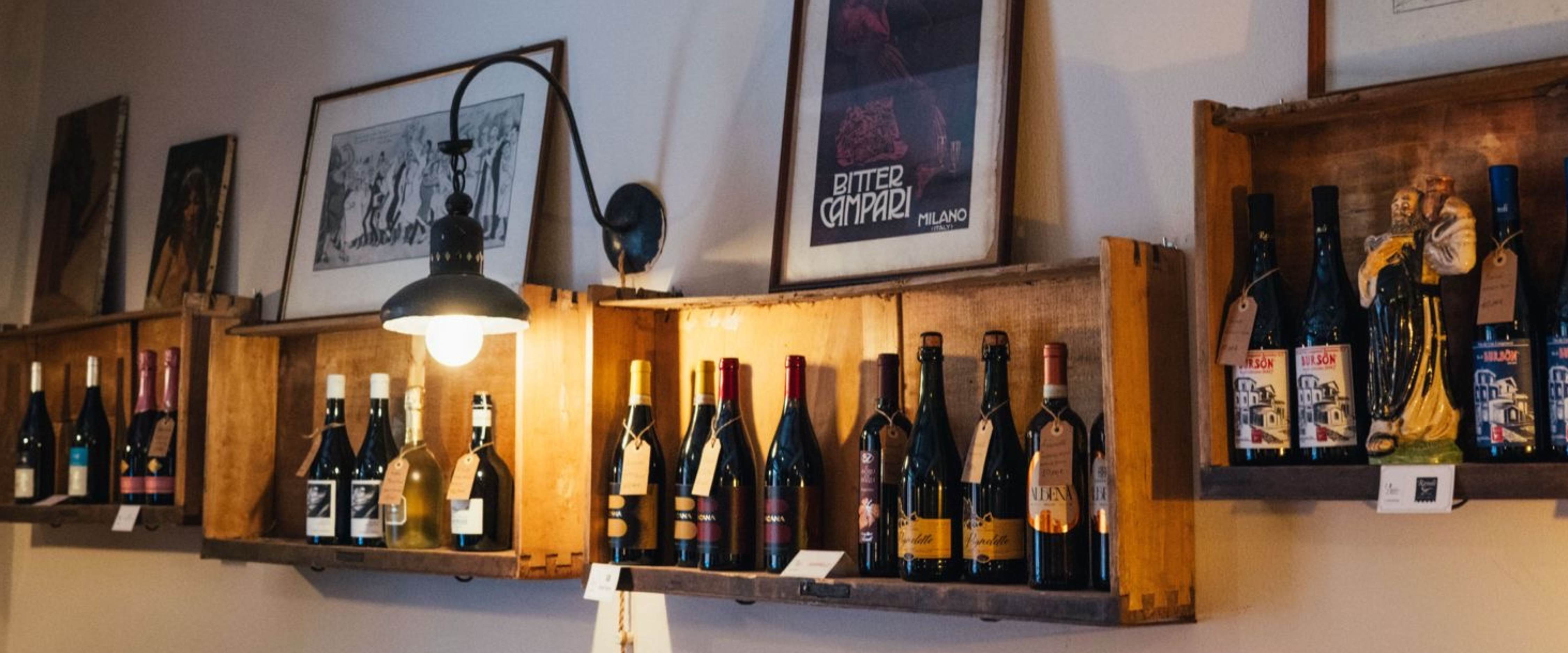
Today, the lines between these three establishments have become less defined. Many osterie now serve outstanding food, trattorias often have excellent wine lists, and some enoteche offer complete meals. Even so, their identities remain clear.
The osteria represents hospitality and simple wine culture. The trattoria preserves family recipes and regional cooking. The enoteca celebrates the diversity and craftsmanship of Italian wine.
Understanding these differences transforms a meal into something much richer. Instead of simply choosing a restaurant, you begin choosing the experience you want.
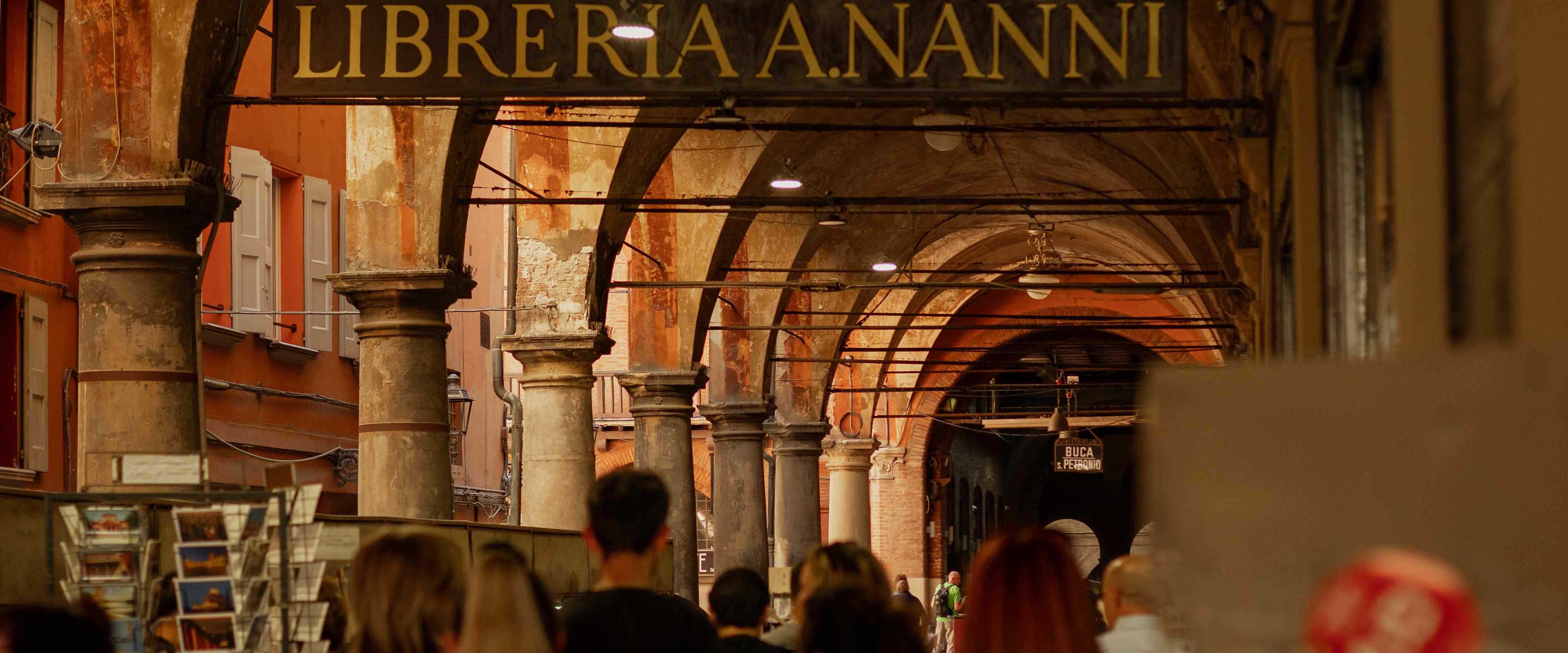
On our food tours, we take you beyond the menus. You'll step inside historic osterie, discover traditional trattorias where recipes have remained unchanged for generations, and visit enoteche where local wines reveal the character of the surrounding countryside.
Because food in Italy is more than something to eat. It's history, culture, craftsmanship, and community. Every meal tells a story, and every glass of wine reflects the land it comes from.
If you're ready to experience Italy through its food, we'll guide you to the places locals cherish, introduce you to the traditions that still thrive today, and help you discover why eating in Italy is about far more than what's on the plate.
Come hungry, stay curious, and let Italy tell its story one bite and one glass at a time. Click here to check our tours!