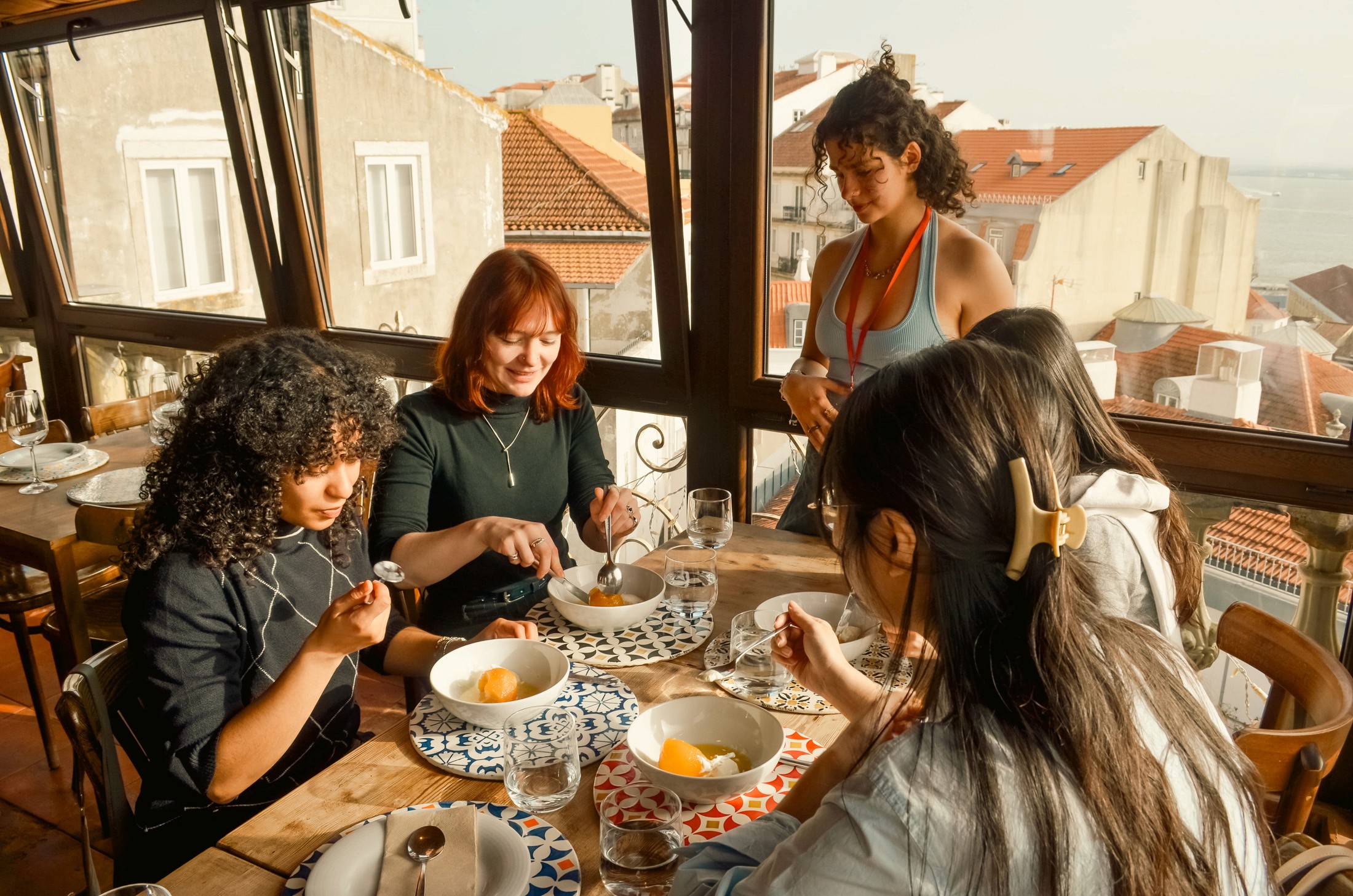
Most uncautious tourists eat badly in Lisbon. The locals? They eat heavenly.
Same city, completely different experience.
The difference is not the food. It’s where you go and how you choose.
How Food Actually Works in Lisbon
Lisbon is simple.
Good ingredients, traditional recipes, small places. No need to overcomplicate anything.
The mistake most people make is focusing on dishes instead of places.
In Lisbon, the place decides everything.
A small, slightly chaotic tasca will often serve a better meal than a clean, central restaurant designed for tourists.
What You Should Eat
You don’t need a long list. You need to get a few things right.
Pastel de Nata
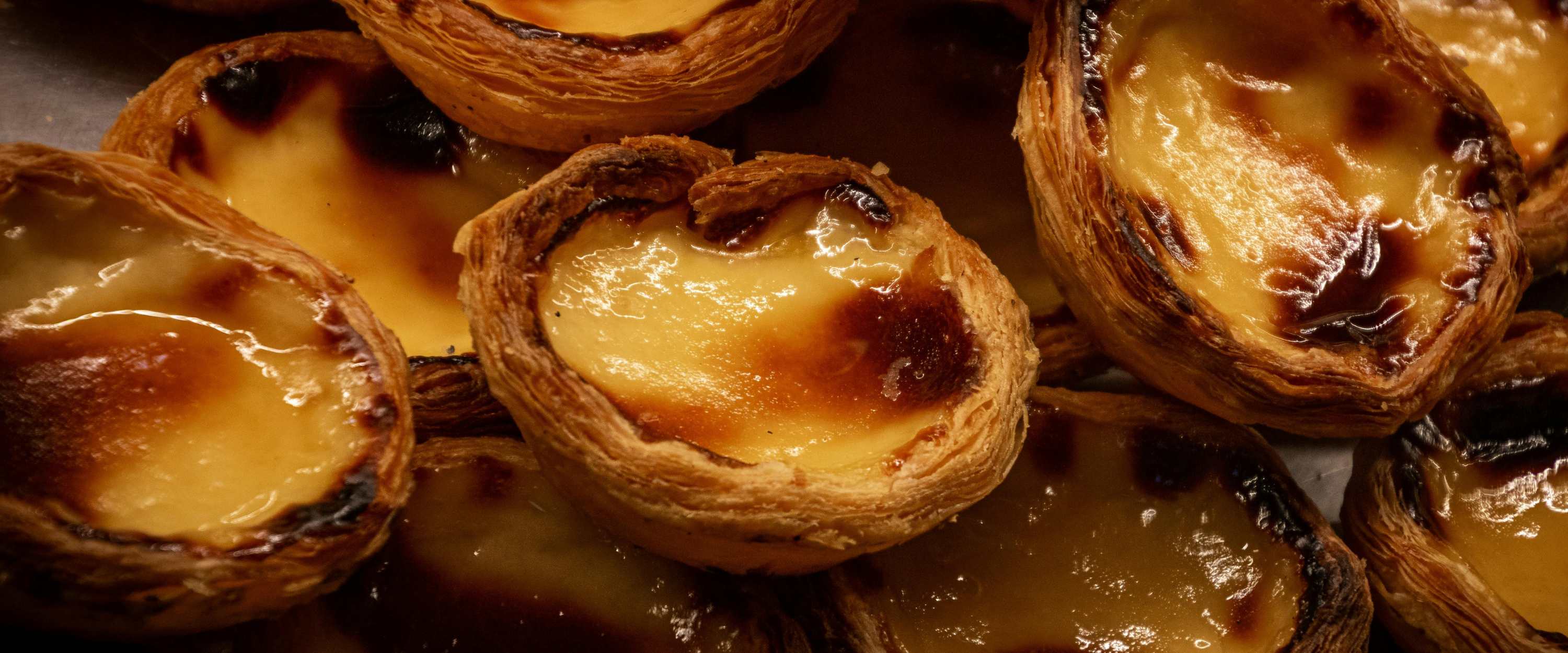
You’ll see them everywhere. Most are forgettable.
A proper one is warm, slightly caramelized on top, with a creamy center that holds its structure. Not too soft, not too sweet.
Skip the longest lines. The best versions are often in smaller bakeries where locals stop without thinking twice.
Bifana
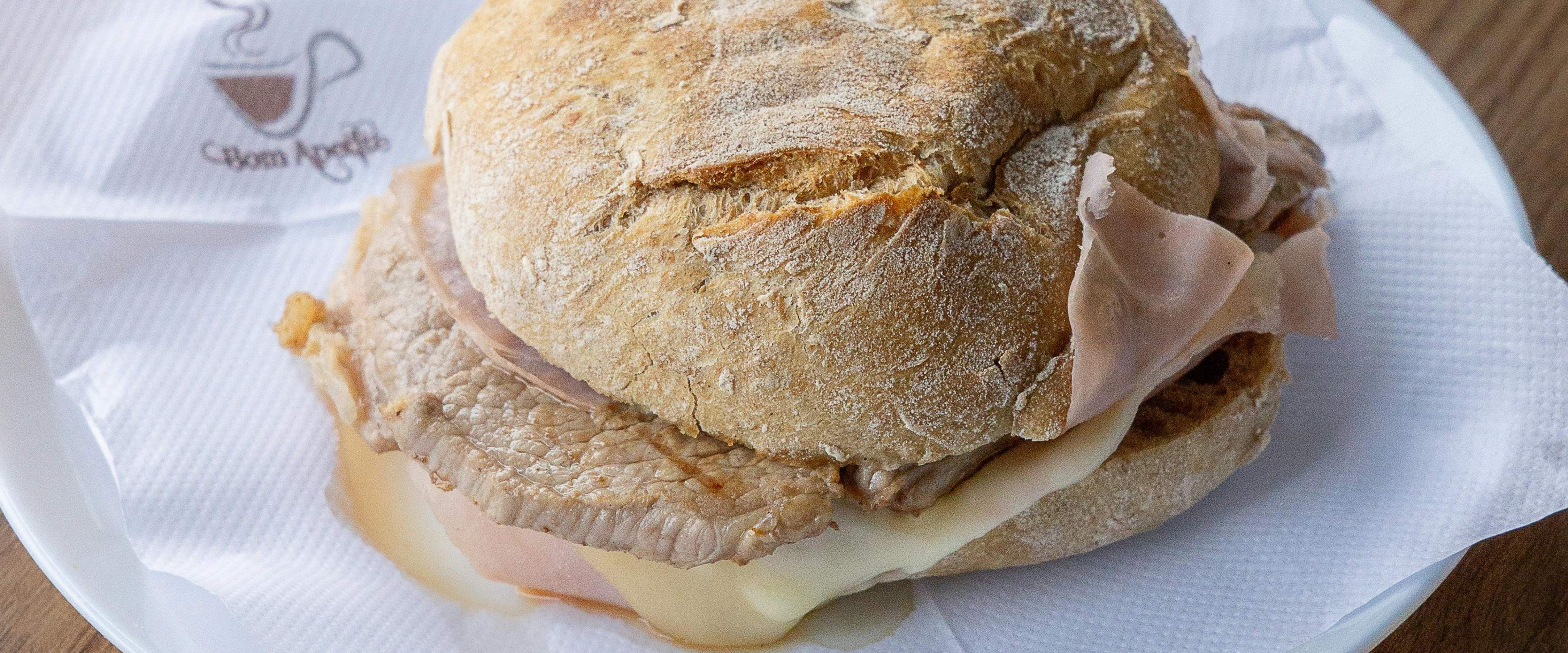
Simple, and often done badly.
Thin slices of pork in a soft bread roll. That’s it. But when it’s right, it’s one of the most satisfying things you’ll eat in Lisbon.
The difference is in the meat and the seasoning. If it’s dry or bland, it’s not worth it.
Prego no Pão
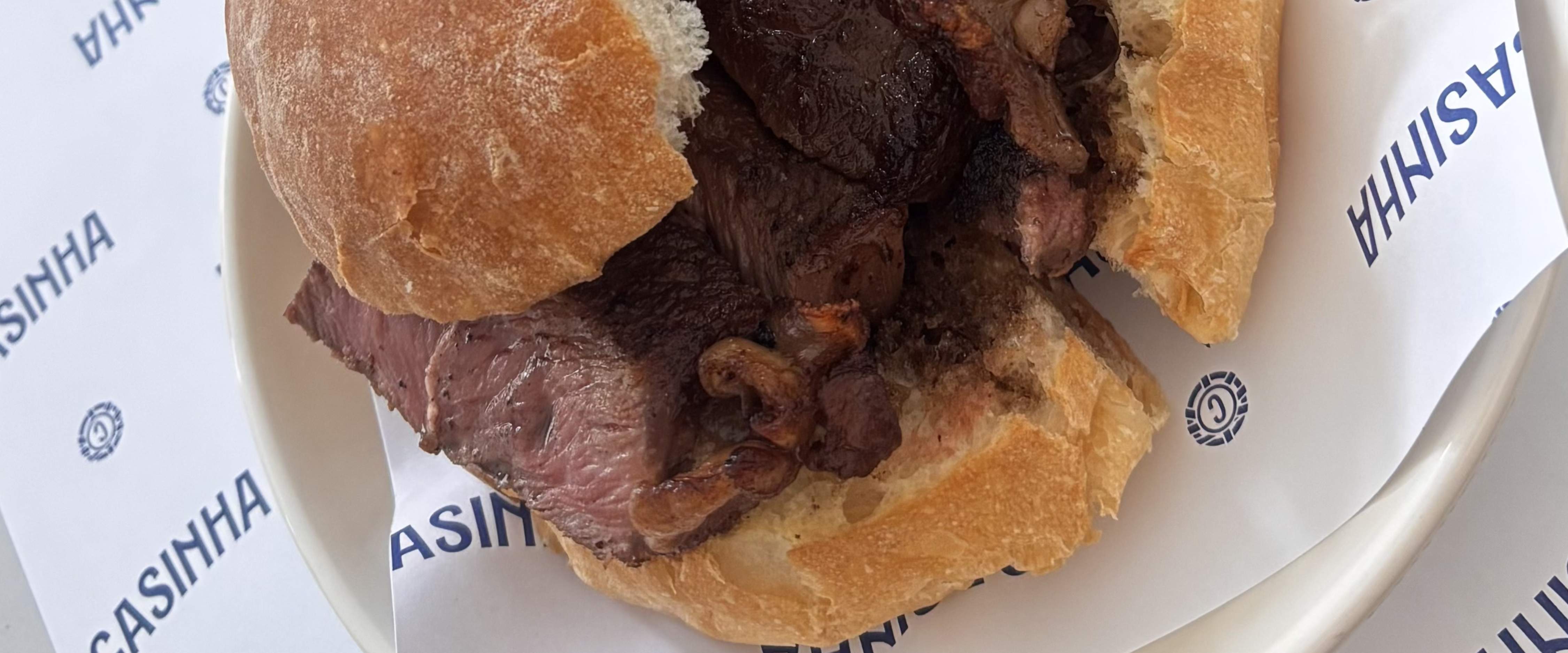
The beef version of the bifana.
Juicier, richer, usually with garlic and mustard. Easy to overlook, but in the right place, it’s excellent.
A good prego is messy in the right way.
Grilled Sardines (Seasonal)
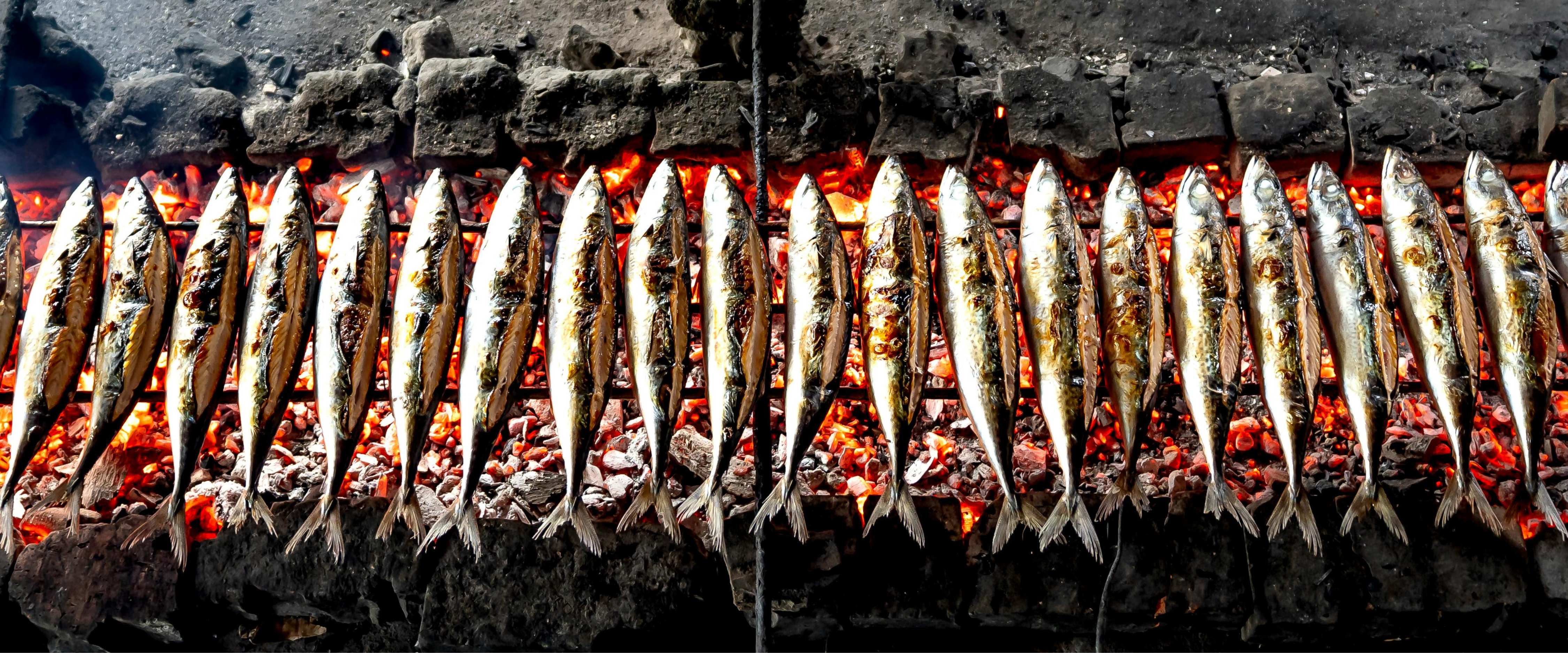
If you’re in Lisbon at the right time of year, don’t skip this.
Charred skin, simple seasoning, served whole. No effort to make it look refined.
This is Lisbon at its most direct.
Bacalhau
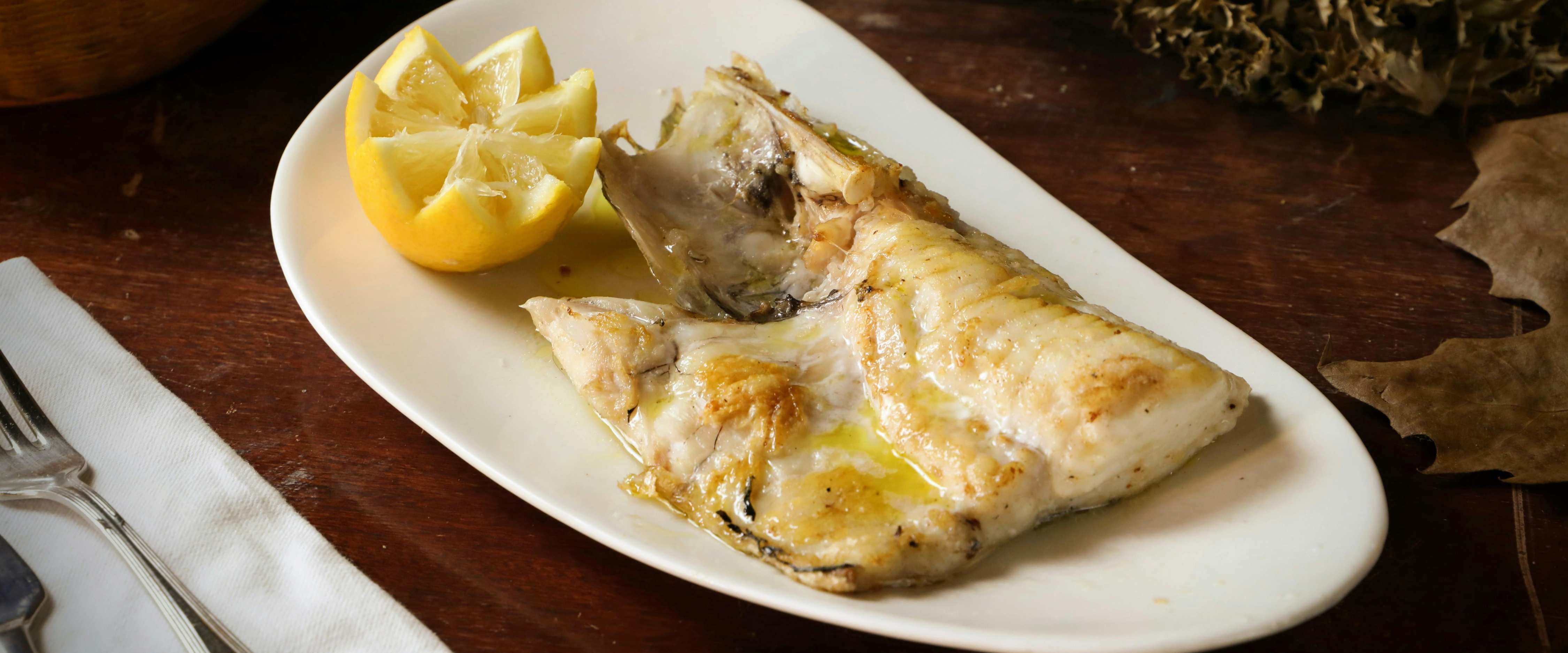
Cod is everywhere, but consistency is not.
A good bacalhau dish is balanced, not dry, and doesn’t try to compensate with presentation.
The mistake is choosing based on the name of the dish. Focus on the place instead.
Polvo (Octopus)
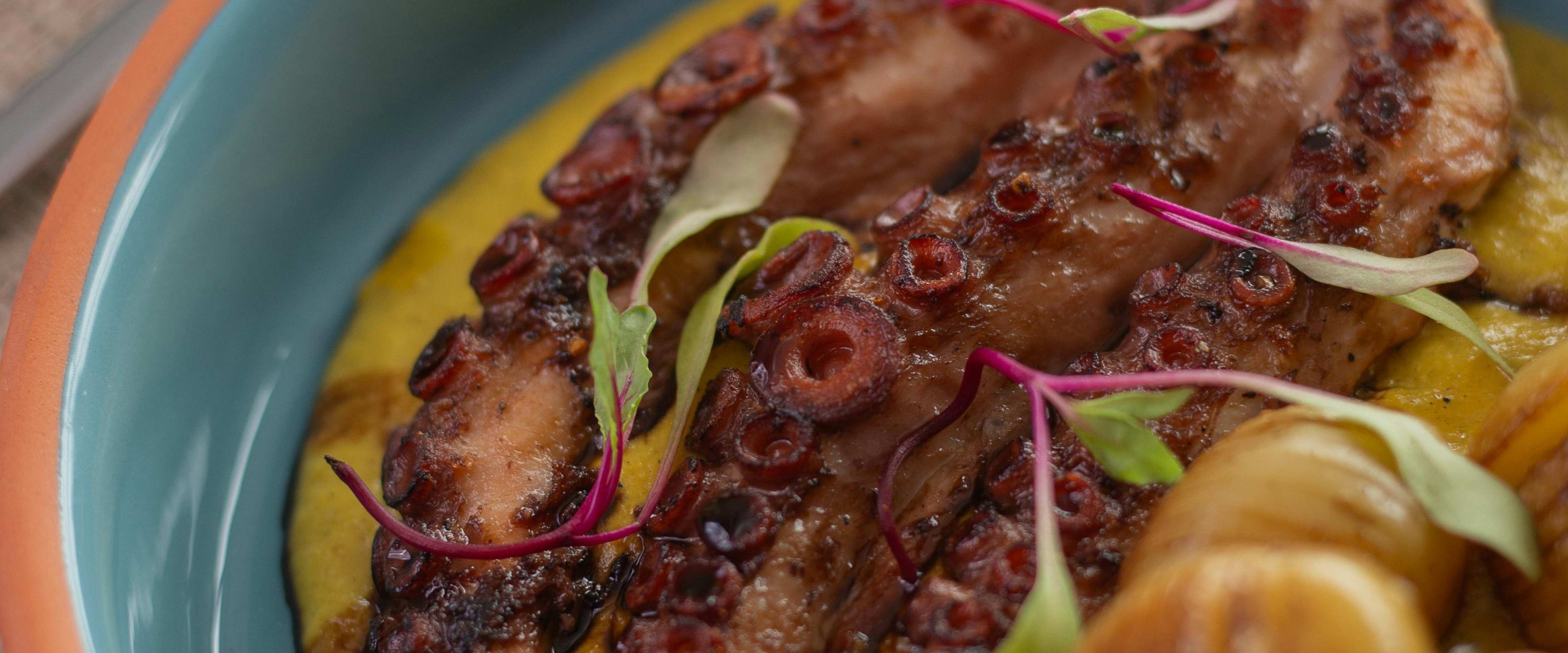
Often overlooked, but one of the best things on a good menu.
Tender, usually grilled or baked, finished with olive oil. When it’s right, it’s better than most seafood you’ll find in more “famous” destinations.
Petiscos

This is how Lisbon really works.
Small plates, shared, usually with wine. Cheese, cured meats, simple hot dishes that come out when they’re ready.
No structure, no rush. Just good food and conversation.
What to Drink (This Matters More Than You Think)
Most people underestimate this part completely.
Portugal produces excellent wine, and in Lisbon, you’re often drinking far better than the price suggests.
Portuguese Wine
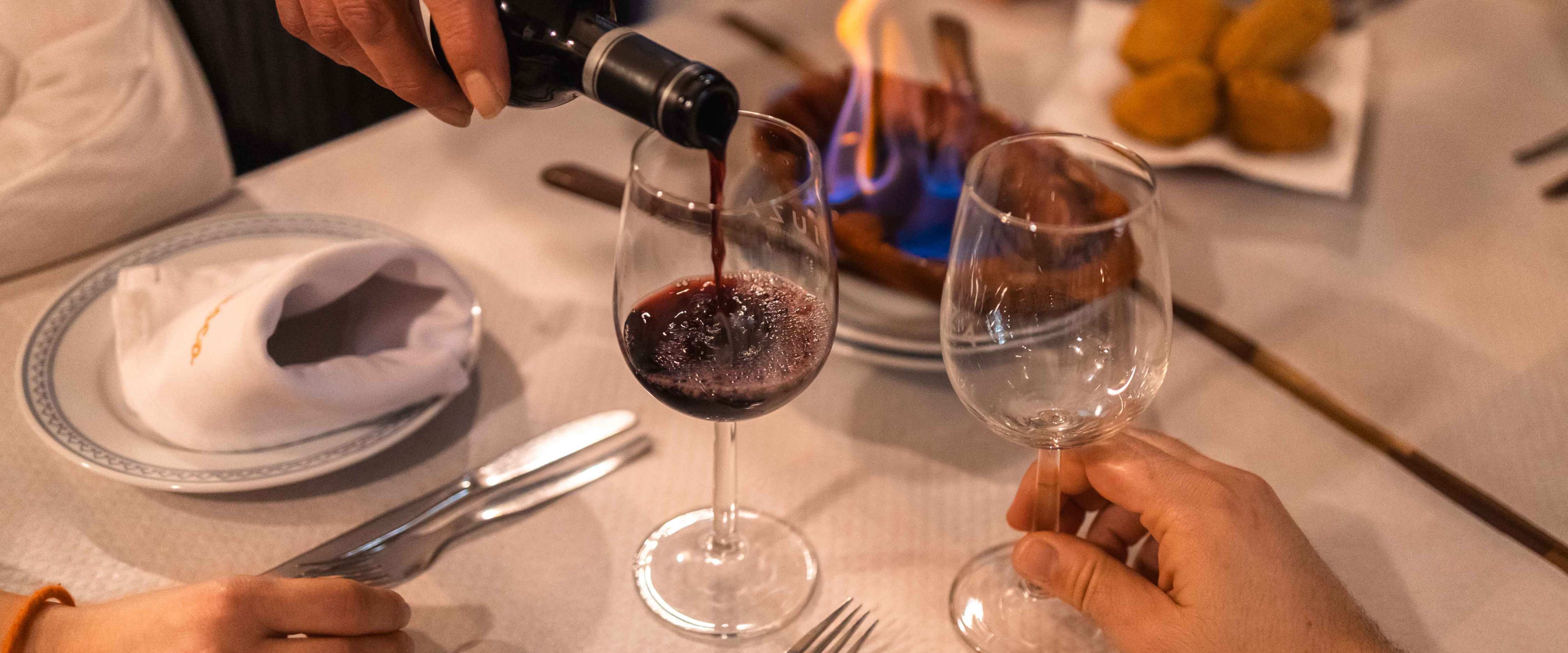
Start simple.
Vinho Verde: light, fresh, slightly acidic. Easy to drink, especially during the day.
Douro wines: deeper, more structured, great with heavier dishes.
Alentejo wines: smooth, approachable, very consistent.
You don’t need to understand wine to enjoy it here. But if you pay attention, it elevates the entire meal.
A good glass of wine in the right place will change how you remember that moment.
Ginjinha
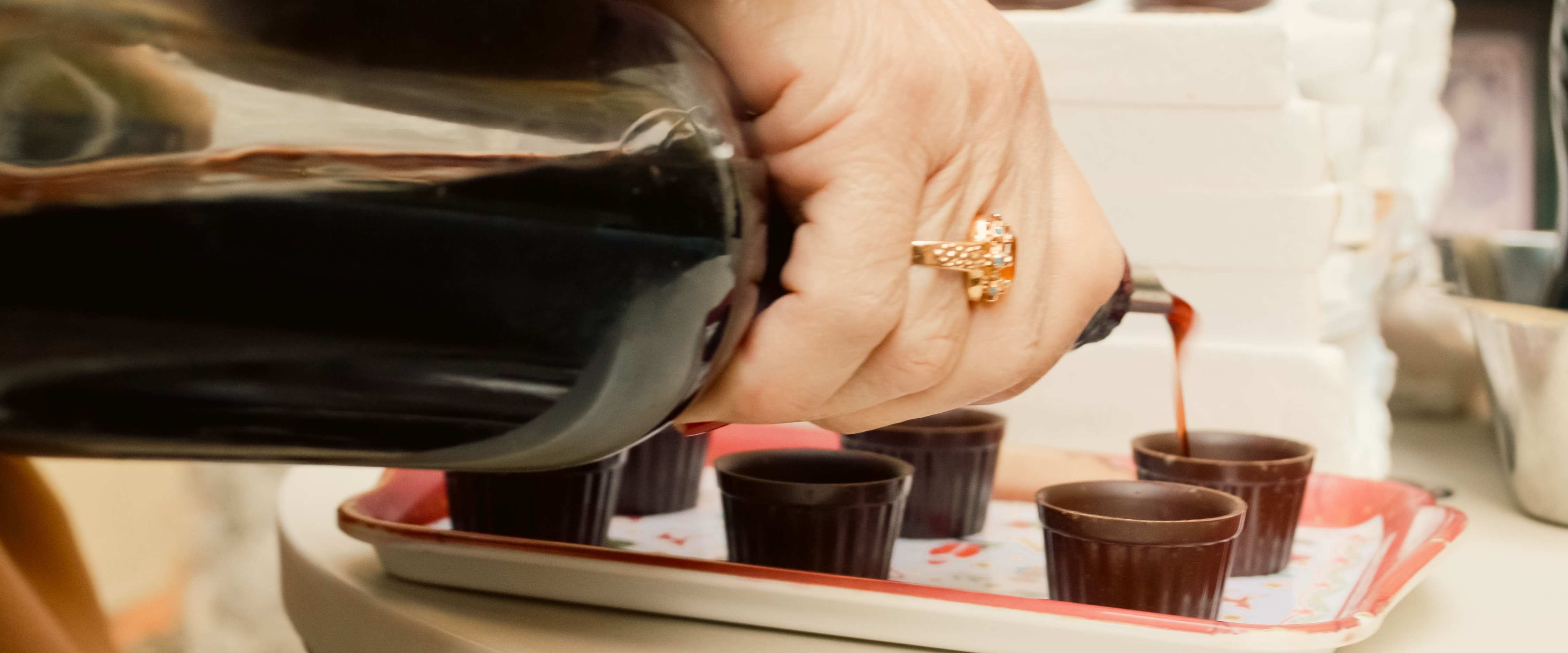
A small, sweet cherry liqueur.
You take it standing, usually in one of the old bars that haven’t changed in years. Quick, local, part of the flow of the city.
It’s not about the drink itself. It’s about where and how you have it.
Where Most People Get It Wrong
This is why so many visitors leave Lisbon thinking the food is just “okay”.
Staying in Baixa
It’s central, easy, and full of places built for volume.
Long menus, staff inviting you in, predictable food.
Walk 10 minutes away and everything improves.
Following the Same Recommendations
If a place shows up everywhere online, expect crowds and inconsistency.
The best places are usually the ones you almost miss.
Only Eating the Obvious
Trying a few pastéis and stopping there is not experiencing Lisbon.
The real food is in the taverns.
Neighborhoods That Actually Deliver
If you want to eat well, start here.
Mouraria
Dense, local, and still raw. Some of the most honest food in the city.
Graça
Better atmosphere, fewer tourists, strong mix of small taverns and viewpoints.
Alfama
Beautiful but uneven. Good spots exist, but you need to choose carefully.
São Vicente
Quiet, overlooked, and full of traditional places that haven’t been adapted for tourists. This is where you start seeing how locals actually eat.
Campo de Ourique
Residential, relaxed, and consistent. Less “experience”, more reliability. Good for a proper meal without noise.
Should You Do a Food Tour?

If you have time, you can figure Lisbon out yourself.
But most people don’t.
They follow convenience, stay central, and repeat the same mistakes.
A good food experience removes that.
Not by showing you more places, but by taking you to the right ones, in the right order, with someone who already knows what to skip.
That’s the difference.
A Better Way to Eat in Lisbon
Don’t try to cover everything.
Focus on:
Fewer places
Better selection
Slower pace
That’s how locals eat.
Final Thought
In Lisbon, the gap between a bad meal and a great one is often just one street.
Most people never cross it.
If you do, the city changes completely.
If you want to experience that side of Lisbon,
you can check our food tours here.