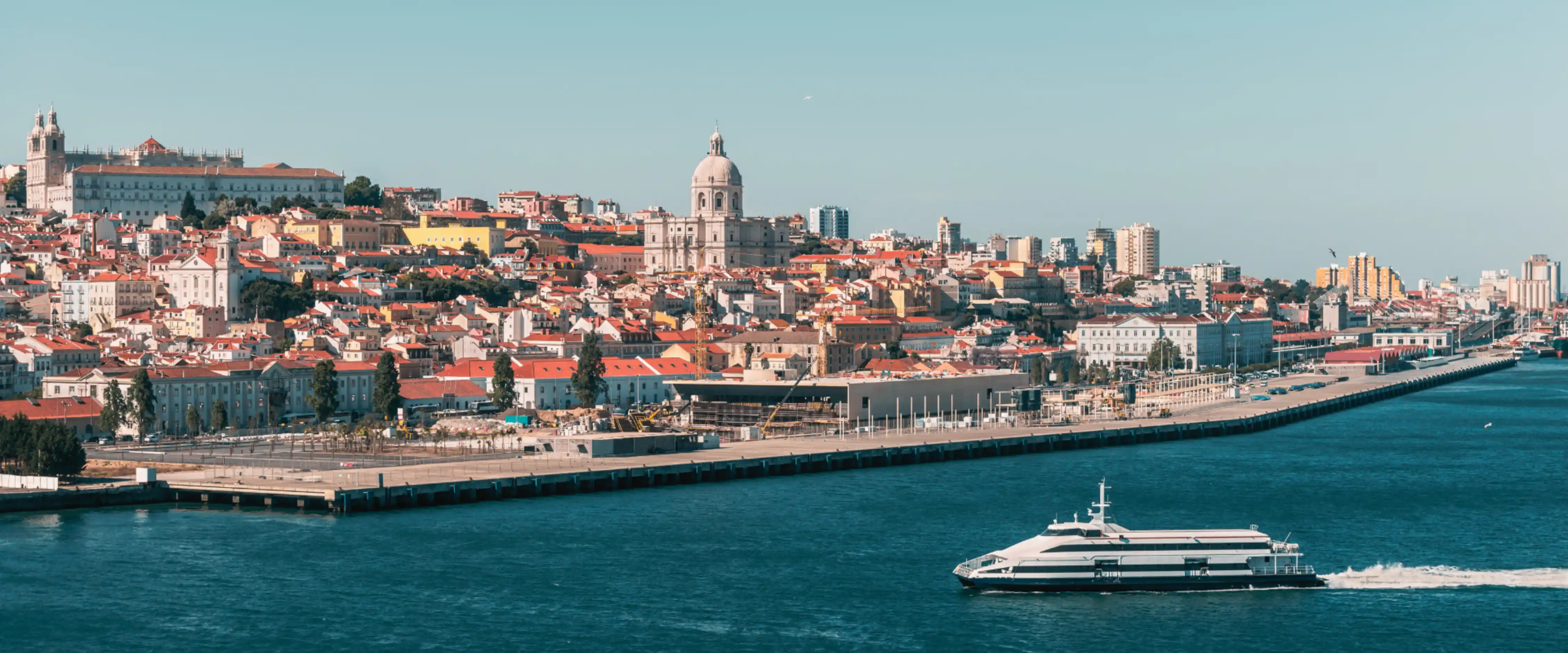
There are parts of Lisbon you visit for the postcard views, and then there are parts you slowly discover.
São Vicente belongs to the second category.
Set on the hills east of Lisbon's historic centre, São Vicente is a neighbourhood where you can spend an afternoon walking without much of a plan. One minute you're passing an old tiled building or tiny grocery shop, the next you're standing in front of a centuries-old church or looking across the rooftops towards the Tagus.
And then there's the food.
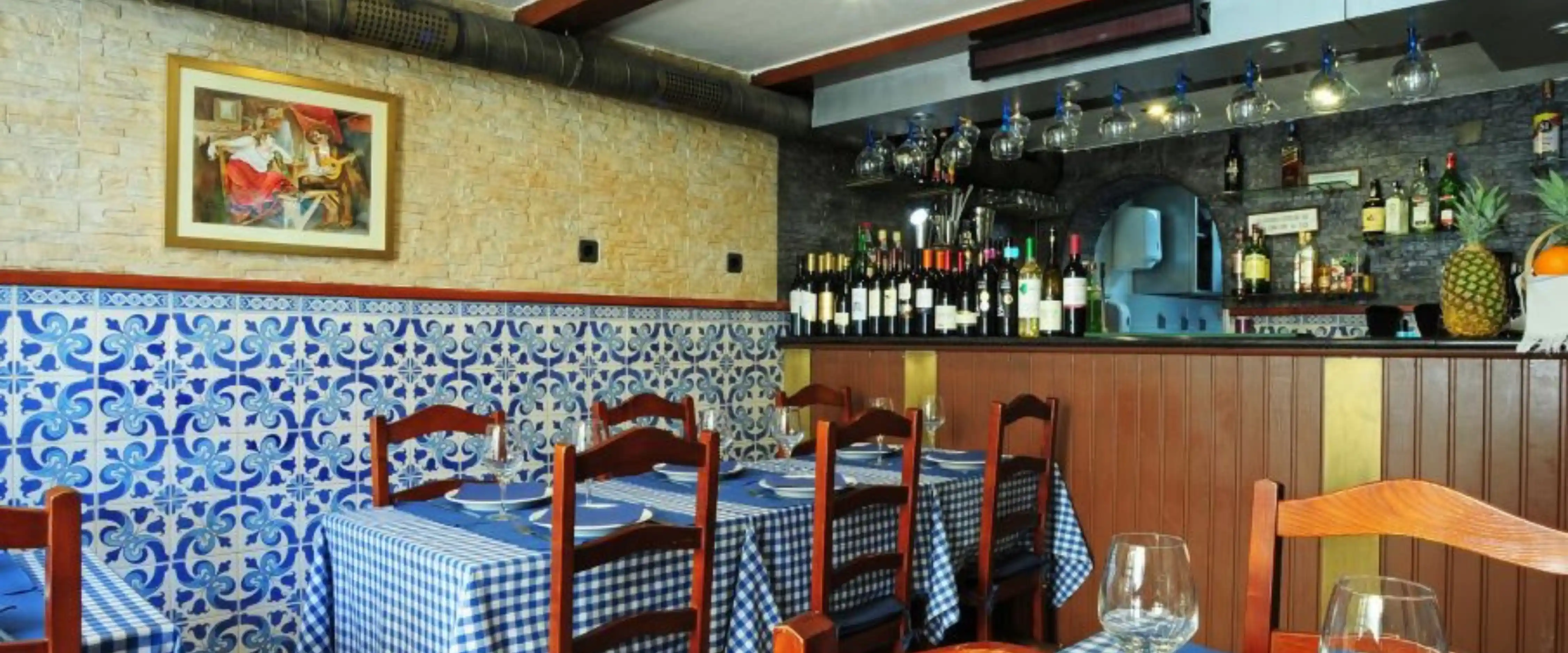
São Vicente brings together traditional Portuguese cooking, bakeries, markets, small wine bars and restaurants, surrounded by some of Lisbon's most important historical landmarks.
The best way to discover it? Walk, explore and eat your way through the neighbourhood.
Start with the history
São Vicente's history is closely connected to religious institutions and Lisbon's traditional working-class communities.
The Monastery of São Vicente de Fora is one of the area's most recognisable landmarks, while nearby the enormous dome of the National Pantheon dominates the skyline.
But some of the most interesting details are smaller.
Walk through the neighbourhood and you'll encounter old vilas operárias, workers' villages, and pátios, residential communities hidden behind ordinary streets and entrances.
That's part of what makes São Vicente so enjoyable on foot. You don't necessarily need a museum to encounter Lisbon's history. It's built into the neighbourhood.
Feira da Ladra
One of São Vicente's essential stops is Feira da Ladra, Lisbon's famous flea market, held around Campo de Santa Clara.
The market fills with stalls selling antiques, books, ceramics, vintage objects and all sorts of unexpected finds. It's particularly enjoyable as part of a longer walk through the neighbourhood rather than simply another attraction to tick off your list.
Wander through the market, explore the surrounding streets and then stop somewhere nearby for food or a drink.
What should you eat in São Vicente?
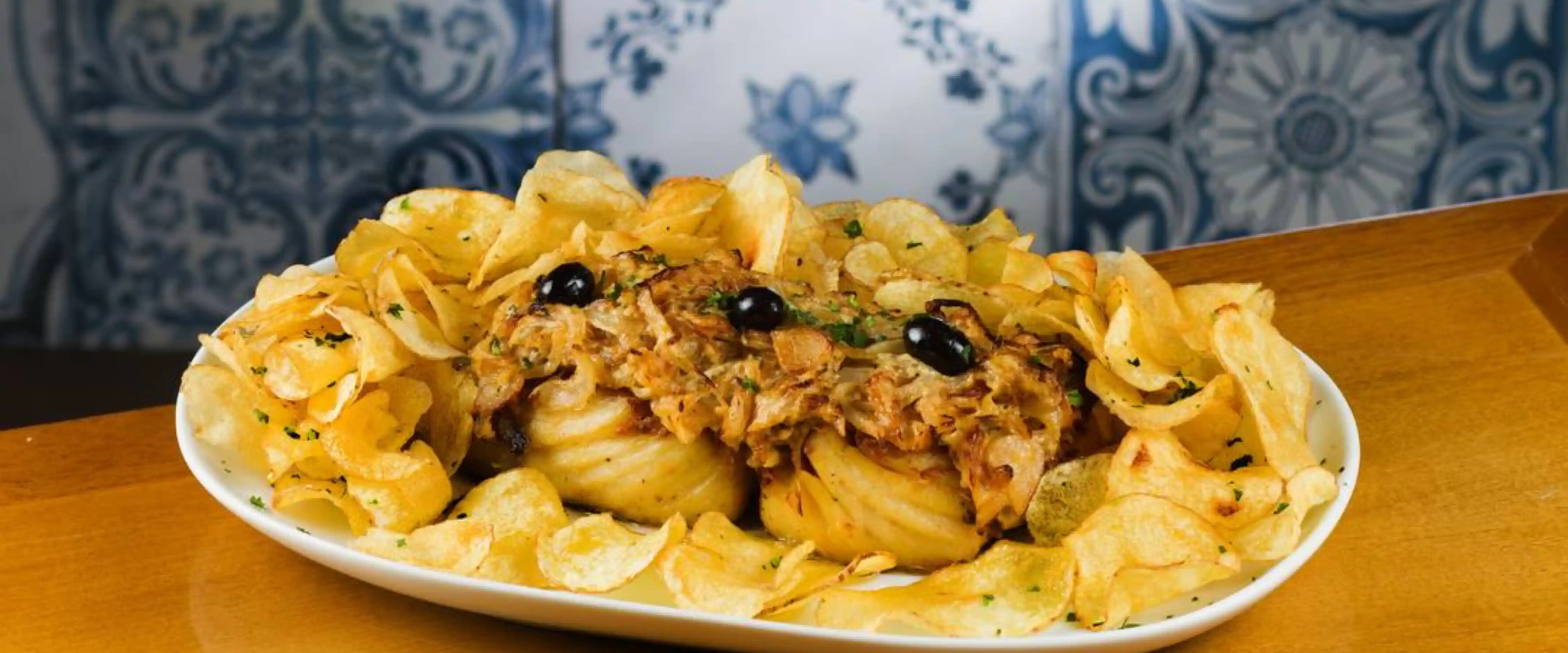
Keep it simple and look for dishes that represent Lisbon and Portuguese cooking.
Bacalhau is unavoidable. Portugal's famous salt cod appears in countless forms, including bacalhau à Brás, prepared with shredded cod, potatoes, onions and eggs.
For sharing, order petiscos, Portugal's answer to small plates. Expect combinations of cheese, cured meats, seafood, vegetables and traditional dishes. Order several and let everyone try something different.
During the warmer months, look for grilled sardines, particularly around Lisbon's summer festivities. They're best served simply with bread, potatoes or salad.
For something quick, grab a bifana, a Portuguese sandwich filled with thin slices of marinated pork. It's inexpensive, uncomplicated and exactly the kind of thing you want after climbing Lisbon's hills.
And obviously, leave room for a pastel de nata. A warm custard tart and an espresso halfway through an afternoon walk is practically mandatory.
Don't forget Portuguese wine
Portugal produces exceptional wine, and São Vicente and neighbouring Graça are great places to explore it.
Instead of ordering the same generic red or white, find a small wine bar and ask for recommendations.
Try a Vinho Verde, something from the Douro or Dão, or simply ask for a Portuguese wine you've probably never tried before.
Places such as Graça do Vinho offer a relaxed introduction to Portuguese wine, while Locals & Nomads Natural Wine Bar & Shop represents a more contemporary side of Lisbon's wine culture.
You don't need to understand Portuguese wine before ordering. That's part of the fun.
Where to eat around São Vicente
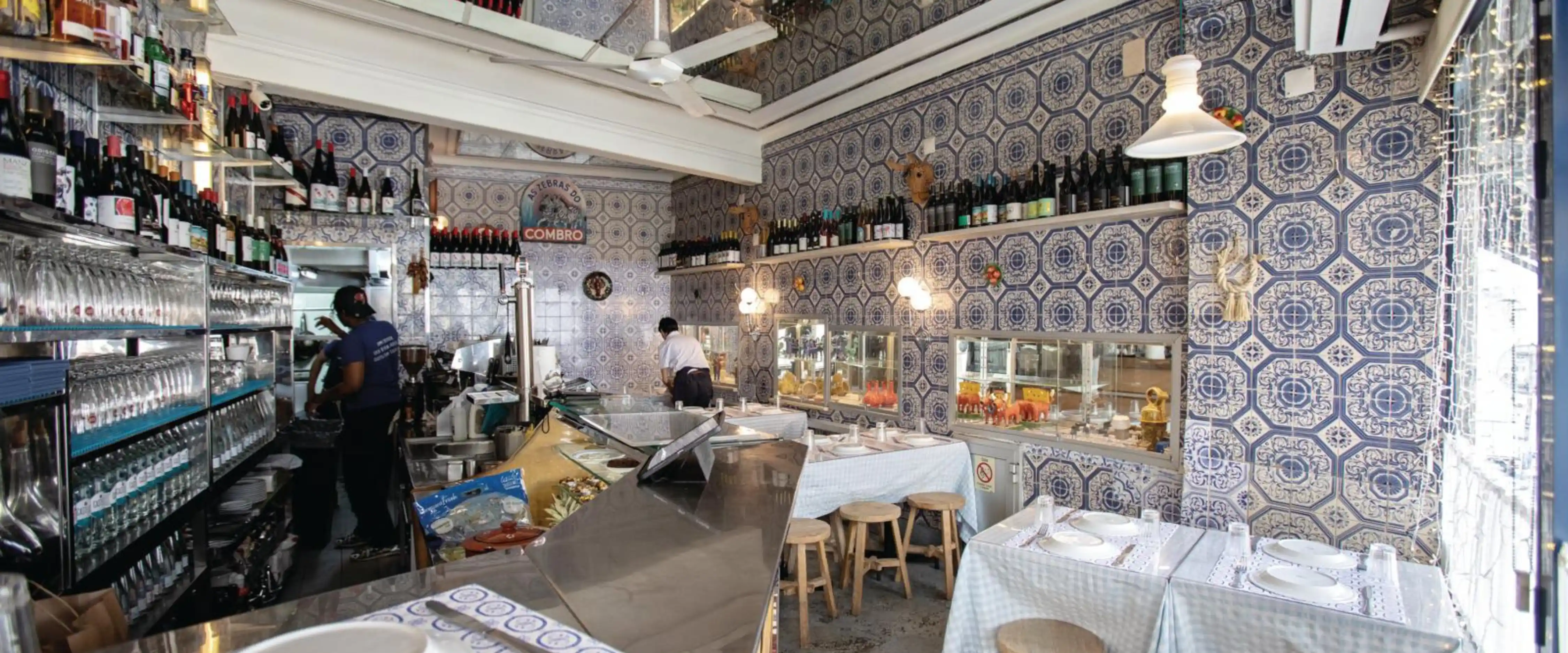
For a proper meal, Taberna Sal Grosso, near Santa Apolónia, is known for Portuguese-style cooking and sharing dishes in a small, informal setting.
Around Campo de Santa Clara, you'll find several other options. Tabernita works well for something casual, while ALMADRAVA is worth considering if you're looking for seafood.
Inside Mercado de Santa Clara, Santa Clara dos Cogumelos offers a more contemporary experience centred around mushrooms.
The variety is part of São Vicente's appeal. The neighbourhood doesn't have one single food identity. Traditional Lisbon sits alongside newer restaurants, wine bars and international influences.
The perfect São Vicente afternoon
Start around São Vicente de Fora, explore the surrounding streets and continue towards Campo de Santa Clara and Feira da Ladra.
Stop for a bifana or a few petiscos. Walk towards one of the viewpoints. Then find somewhere for a glass of Portuguese wine.
As the afternoon light starts changing, make your way to a neighbourhood restaurant for dinner.
Most importantly, don't rush.
São Vicente isn't about ticking ten attractions off a list. Its character comes from the combination of history, markets, residential streets, food and everyday Lisbon life.
A plate of bacalhau tells you something about Portugal's relationship with the sea. A glass of wine connects you with the country's agricultural traditions. A pastel de nata brings you into one of Lisbon's everyday rituals.
That's why São Vicente is worth exploring with an appetite.
You don't just see Lisbon here. You taste it.